How to Canter for Beginners: A Step-by-Step Guide
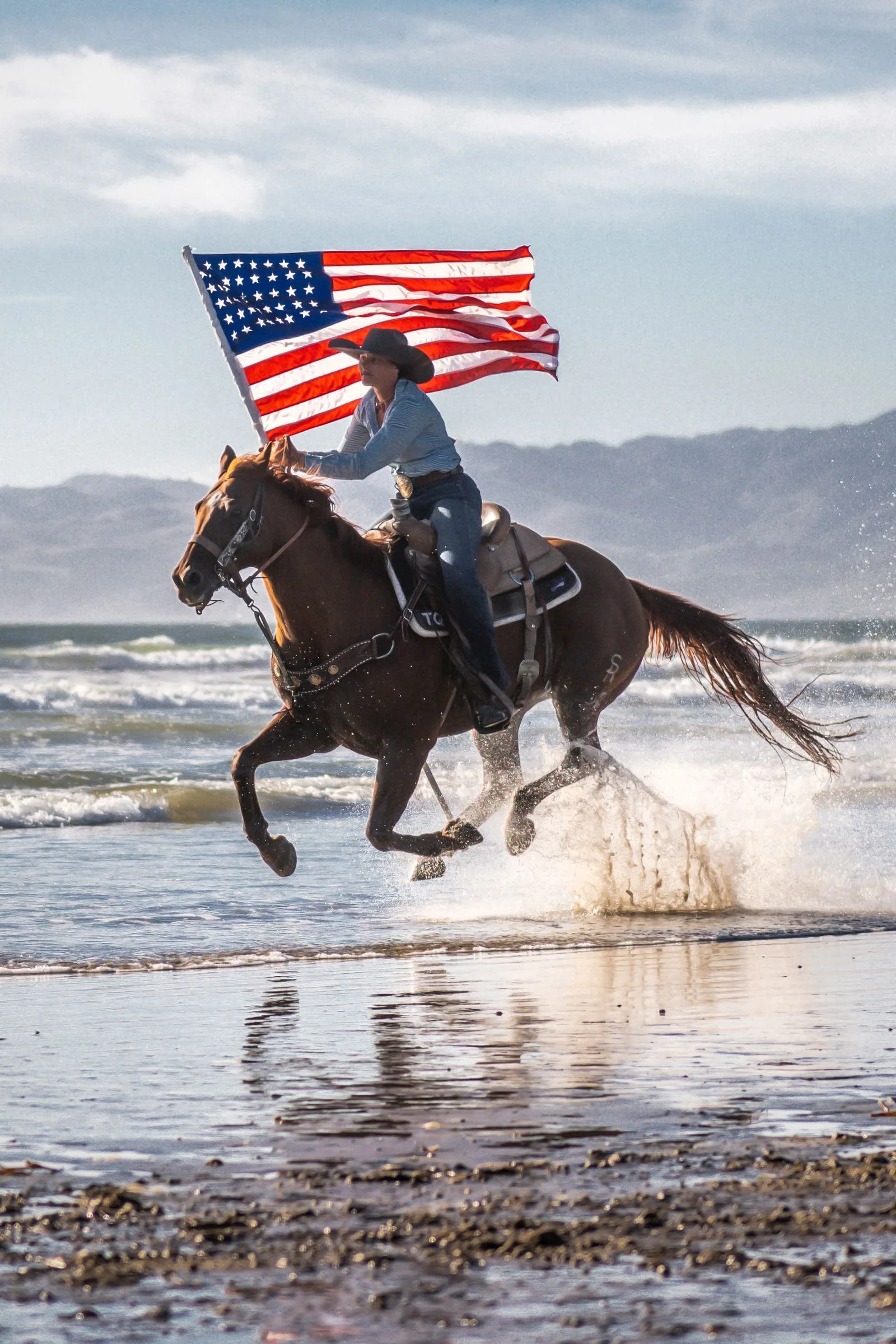
Canter from a balanced, forward trot: sit for a beat, ask with your outside leg behind the girth while keeping the inside rein soft, then relax and follow the movement with your seat and hips. Don't grip or lean forward — sit tall and breathe.
The first canter is a rite of passage — equal parts thrilling and terrifying. The good news is that canter is actually smoother to sit to than a bouncy trot once you let yourself relax into it. The secret is not to fight the movement but to allow your hips to follow it. Always learn canter under instruction on a calm, schooled horse.
Asking for canter

Set up from a balanced, active trot on a circle. To ask, sit for a moment, keep a light contact on the inside rein, and slide your outside leg back behind the girth with a nudge while your inside leg stays on the girth. On a well-schooled horse that's usually enough. The horse steps into canter — resist the instinct to brace.
- Sit tall — imagine a string lifting the crown of your head; don't collapse forward.
- Follow with your seat — let your hips rock gently with the rocking-horse motion rather than bouncing against it.
- Keep your heels down and legs long — a stable lower leg anchors your whole position.
- Breathe and soften your hands — tension travels straight down the reins to the horse.
Staying relaxed
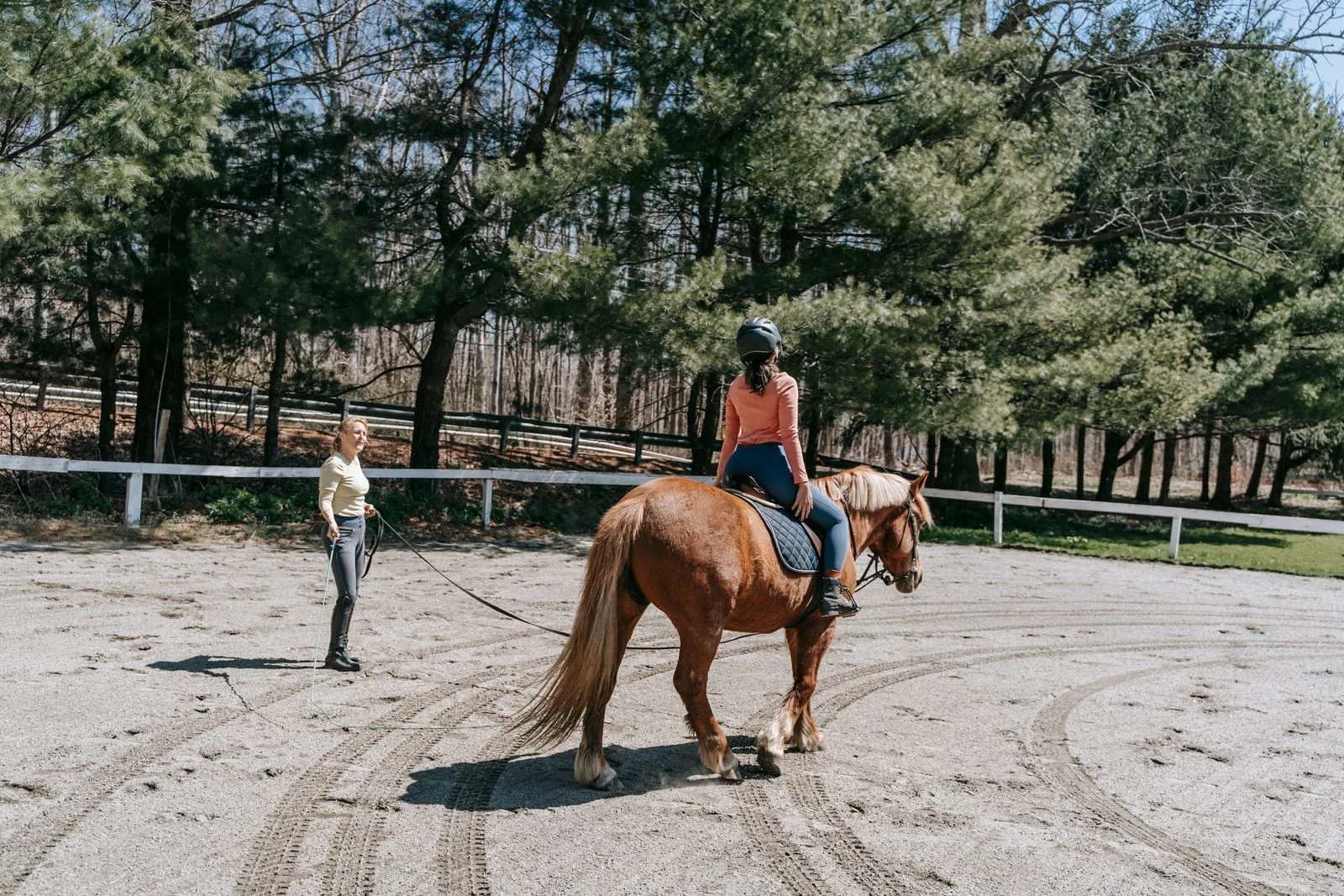
Most beginners tip forward, grip with the knee and hold their breath — all of which unbalance you. Instead, think 'sit back and go with it'. If you feel unsafe, sit up and return to trot calmly rather than hauling on the reins. Practise on the lunge if your school offers it: with no reins or stirrups to manage, you can focus purely on feeling the movement.
What canter actually feels like
Beginners brace for canter expecting it to be faster and bouncier than trot, and are usually pleasantly surprised. A steady, collected canter is a smooth, three-beat, rocking-horse motion — far easier to sit to than a jarring trot once you stop fighting it. The trick your body has to learn is to let your seat and lower back move with the swing rather than stiffening against it. Picture your hips describing a gentle forward-and-up scoop in time with each stride. It feels strange for the first few attempts and then, quite suddenly, it clicks and becomes genuinely comfortable. That moment of it 'clicking' is what makes the first proper canter so memorable.
Getting the correct canter lead
Canter isn't symmetrical — the horse leads with one foreleg reaching further forward, and on a circle it should be the inside leg. Ask on a corner or circle, where the bend naturally encourages the correct lead, and keep your inside seat bone and leg active. If the horse strikes off on the wrong lead it feels unbalanced and awkward, almost disunited; simply return calmly to trot, rebalance, and ask again as you come into a corner. Don't worry too much about leads in your very first canters — just getting the transition and staying relaxed is the goal. Refining which leg leads comes naturally as your feel develops, and a schoolmaster horse will often offer the right lead for you.
Common canter faults and quick fixes
Almost every beginner makes the same handful of mistakes, and knowing them speeds up your progress enormously:
- Tipping forward: you feel unsafe, so you fold at the waist — which actually unbalances you. Fix: sit tall, shoulders back, eyes up.
- Gripping with the knee: this pivots you out of the saddle and bounces you around. Fix: let the leg hang long and think 'heavy heels'.
- Stiff, blocking hands: tension travels down the rein and confuses the horse. Fix: soften your elbows and let your hands follow the head's nod.
- Holding your breath: it locks your whole body. Fix: breathe out as you ask, and hum or count strides if it helps.
- Pinching the reins for balance: you accidentally ask the horse to slow. Fix: hold the neck strap or a chunk of mane instead until your seat is secure.
Building canter fitness and confidence
Canter asks more of your body than walk or trot, and it's normal to feel puffed and wobbly at first — the deep core and postural muscles that keep you balanced are working hard. Ask for just a few strides to begin with, then build up gradually rather than trying to hold a long canter before you're ready. Lunge lessons are the single best confidence-builder here: with the instructor controlling the horse, you can drop the reins, do gentle exercises, and simply learn the feel of the movement without any steering to worry about. Within a handful of sessions most riders go from clinging on to genuinely enjoying that lovely rocking-horse rhythm — and once it clicks, canter becomes many riders' favourite pace.
From first canter to cantering well
Your first canter is just the beginning. Once you can strike off and stay balanced for a few strides, the work shifts to riding canter well: keeping a steady rhythm, maintaining it around corners and circles without falling back to trot, and eventually managing smooth up and down transitions on demand. Pole work and gentle grids come next for many riders, and canter becomes the pace you build jumping and, later, faster hacking on. Keep asking your instructor to explain the correct aids and the feel you're aiming for, and be patient with the plateaus — every rider has weeks where nothing seems to improve, followed by a lesson where it all falls into place.
When are you ready to canter?
There's no rush, and a good instructor won't push you before you're secure. You're generally ready when you can maintain a balanced rising and sitting trot without gripping, keep a steady lower-leg position, and stay relaxed through transitions. If you're still fighting for balance in trot, more trot work now will make your first canter far easier and less frightening later. Trust your instructor's judgement on timing, and remember that every confident cantering rider you admire once sat rigid with nerves waiting for that first stride.
Struggling with nerves is normal — see learning to ride as an adult for confidence tips, and mind your yard manners in riding lesson etiquette. Get your position sorted first with regular lessons — see lesson costs.