The Best Riding Helmets: A Buyer's Guide
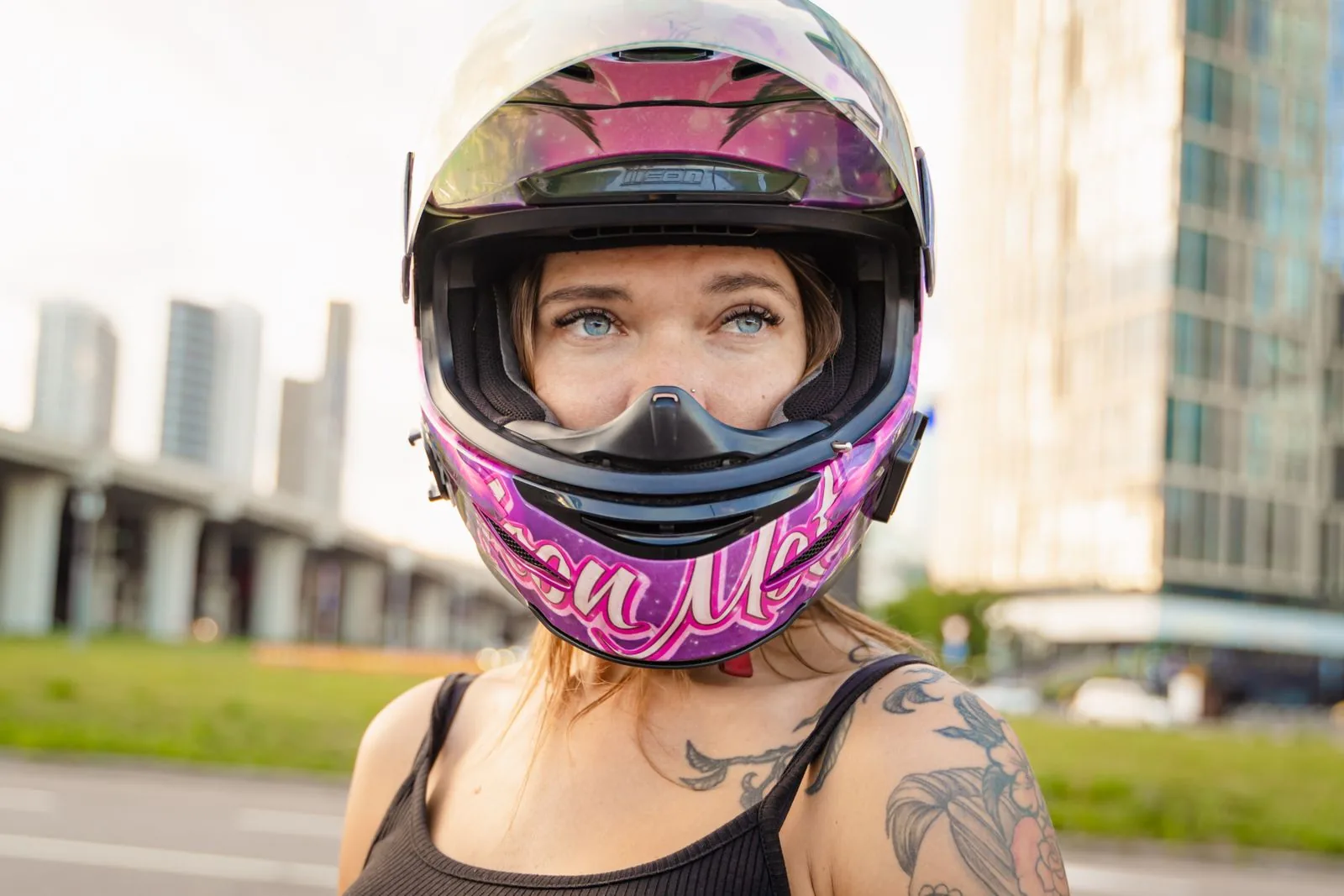
Your helmet is the one item never to compromise on. Buy to a current safety standard (look for PAS 015, VG1 or the Snell/ASTM marks), get it professionally fitted at a tack shop, and replace it after any fall or hard knock. The best hat is the one that fits your head correctly.
If you buy one thing properly in riding, make it your hat. A helmet is the difference between a bad day and a life-changing head injury, and it's the one piece of kit you should never buy second-hand, share long-term, or scrimp on. The reassuring news is that a correctly fitting, well-certified hat needn't be expensive.
Safety standards that matter
In Britain, look for a hat certified to a current standard — commonly PAS 015, VG1, or international marks like Snell E2016 and ASTM. Many competition bodies require specific standards, so if you plan to compete, check your discipline's rules before buying. A hat that meets a recognised standard and fits correctly is doing its job; brand prestige is secondary.
- A PAS 015 / VG1 certified riding hat — the safety baseline — never buy a hat without a current standard mark.
- A ventilated skull cap with a silk — cooler and popular for jumping and cross-country; add a coloured silk to suit.
- A low-profile dressage-style hat — smart for schooling and showing once you know your fit.
- A children's certified hat — professionally fitted and replaced as they grow — never handed down worn.
Fit and replacement
A helmet only protects you if it fits: level on the head, snug all round with no rocking or pressure points. Have it professionally fitted at a tack shop rather than guessing online — head shapes vary as much as sizes. Crucially, replace any hat after a fall or a hard knock, even if it looks fine; the protective shell degrades on impact. Most makers also advise replacement every few years regardless.
How to choose a riding helmet
Choosing a hat comes down to three things, in this order: standard, fit and type. First, the safety standard is non-negotiable — look for a current mark such as PAS 015, VG1, or international standards like Snell E2016 and ASTM/SEI, and if you compete, check your discipline's specific rules. Second, fit is everything: the safest hat in the world does nothing if it rocks or perches on your head, so have it professionally fitted at a tack shop where a trained fitter can match the shell shape to your head, not just the size. Third, choose the type that suits your riding — a general skull cap, a smart low-profile hat or a ventilated design. Below are the main styles you'll come across, but remember: brand prestige and price matter far less than a current standard and a correct fit.
1. Certified general-purpose riding hat
What it is: The standard round-brim or peaked hat that suits everyday riding and lessons. Best for: beginners and leisure riders wanting one safe, versatile hat.
Key features: PAS 015 or VG1 certified, adjustable fit dial, removable washable padding.
Pros: affordable, widely available, and correct for most disciplines. Watch out for: basic ventilation, so it can feel warm in summer.
Typical price: £45–£90. Check the latest price on Amazon →
2. Ventilated schooling helmet
What it is: A hat with air vents through the shell to keep your head cool. Best for: riders who school hard or ride in warm weather and hate a sweaty head.
Key features: certified shell with vents, moisture-wicking liner, dial or pad fit.
Pros: much cooler and more comfortable for long or energetic sessions. Watch out for: vents can let rain in, and prices climb quickly at the top end.
Typical price: £60–£150. Check the latest price on Amazon →
3. Skull cap with silk
What it is: A peakless round hat worn under a coloured fabric cover (a 'silk'). Best for: jumping, cross-country and anyone wanting the traditional eventing look.
Key features: certified peakless shell, chin harness, interchangeable silks in any colour.
Pros: no peak to catch on a fall, and you can colour-coordinate with a silk. Watch out for: you must buy the silk separately, and fit still needs checking properly.
Typical price: £45–£120 (plus £8–£20 for a silk). Check the latest price on Amazon →
4. Low-profile dressage hat
What it is: A close-fitting, elegant hat with a suede-look finish and slim peak. Best for: riders schooling on the flat or heading for dressage and showing.
Key features: certified low-profile shell, matte finish, discreet ventilation.
Pros: smart, understated and flattering for flatwork and the show ring. Watch out for: pricier, and the snug style suits some head shapes better than others.
Typical price: £70–£180. Check the latest price on Amazon →
5. MIPS or rotational-protection helmet
What it is: A premium hat with an added slip-plane layer designed to reduce rotational forces. Best for: safety-focused riders willing to pay more for the latest protective tech.
Key features: certified shell plus a MIPS-style low-friction layer, high-end fit system.
Pros: adds a further layer of impact protection beyond the base standard. Watch out for: the most expensive option, and still needs a correct fit to work.
Typical price: £120–£300. Check the latest price on Amazon →
6. Children's certified riding hat
What it is: A properly certified hat sized and fitted for a growing young rider. Best for: children starting lessons, where correct fit is absolutely critical.
Key features: PAS 015 or VG1 certified, adjustable dial for growth, lightweight shell.
Pros: keeps children safe and can be adjusted a little as they grow. Watch out for: must be professionally fitted and never handed down once worn or dropped.
Typical price: £40–£80. Check the latest price on Amazon →
7. Wide-brim or sun-peak endurance hat
What it is: A ventilated hat with a wider brim for sun protection on long rides. Best for: hackers, trekkers and endurance riders out for hours in the open.
Key features: certified shell, generous vents, wider sun-shading brim.
Pros: shade and airflow for long summer rides and trekking. Watch out for: the wider brim is less suited to jumping, and it's a niche buy.
Typical price: £60–£140. Check the latest price on Amazon →
8. Hat silks and accessories
What it is: The covers, harnesses and hat bags that go with your helmet. Best for: anyone with a skull cap, or wanting to protect and personalise their hat.
Key features: washable silks in team colours, spare harnesses, padded storage bags.
Pros: cheap way to smarten up, colour-match and protect your investment. Watch out for: purely cosmetic or protective — they add nothing to the safety rating.
Typical price: £8–£25. Check the latest price on Amazon →
9. Riding hat for hacking with hi-viz
What it is: A certified everyday hat paired with, or featuring, high-visibility detailing. Best for: riders who hack out on roads and quiet lanes and need to be seen.
Key features: certified shell, reflective trim or a hi-viz hatband, all-round vents.
Pros: improves your visibility to drivers, which matters hugely on UK roads. Watch out for: the hi-viz element is the extra — the safety rating still comes first.
Typical price: £50–£110. Check the latest price on Amazon →
10. Certified hat with removable liner
What it is: A hat whose padding lifts out for washing and drying. Best for: anyone who rides often and wants to keep a sweaty hat fresh and hygienic.
Key features: certified shell, washable moisture-wicking liner, dial fit adjustment.
Pros: stays fresher for longer and lets you fine-tune the fit. Watch out for: washing the liner too hot can distort it, so follow the care guidance.
Typical price: £55–£130. Check the latest price on Amazon →
The rules of buying a hat that could save your life
A few principles override everything else when it comes to helmets, and they're worth repeating because they genuinely matter. Never buy a hat second-hand: you can't see the internal damage a single knock can cause, and a compromised shell may fail when you most need it. Always replace a hat after a fall or any significant impact, even if it looks perfect — the protective liner crushes to absorb the blow and won't do so again. Get it fitted in person rather than guessing a size online; a tack-shop fitter is free and worth their weight in gold. And replace your hat every three to five years even without a fall, as the materials age and standards improve. Your helmet is the one item where the cheapest option that fits and meets a current standard beats the most expensive one that doesn't — but it's never the place to cut corners on age, fit or history.
A hat is your first kit purchase — see what to wear for your first lesson — alongside boots and jodhpurs. It matters just as much for children — see riding for kids.