Buying Your First Horse in the UK: A Complete Guide
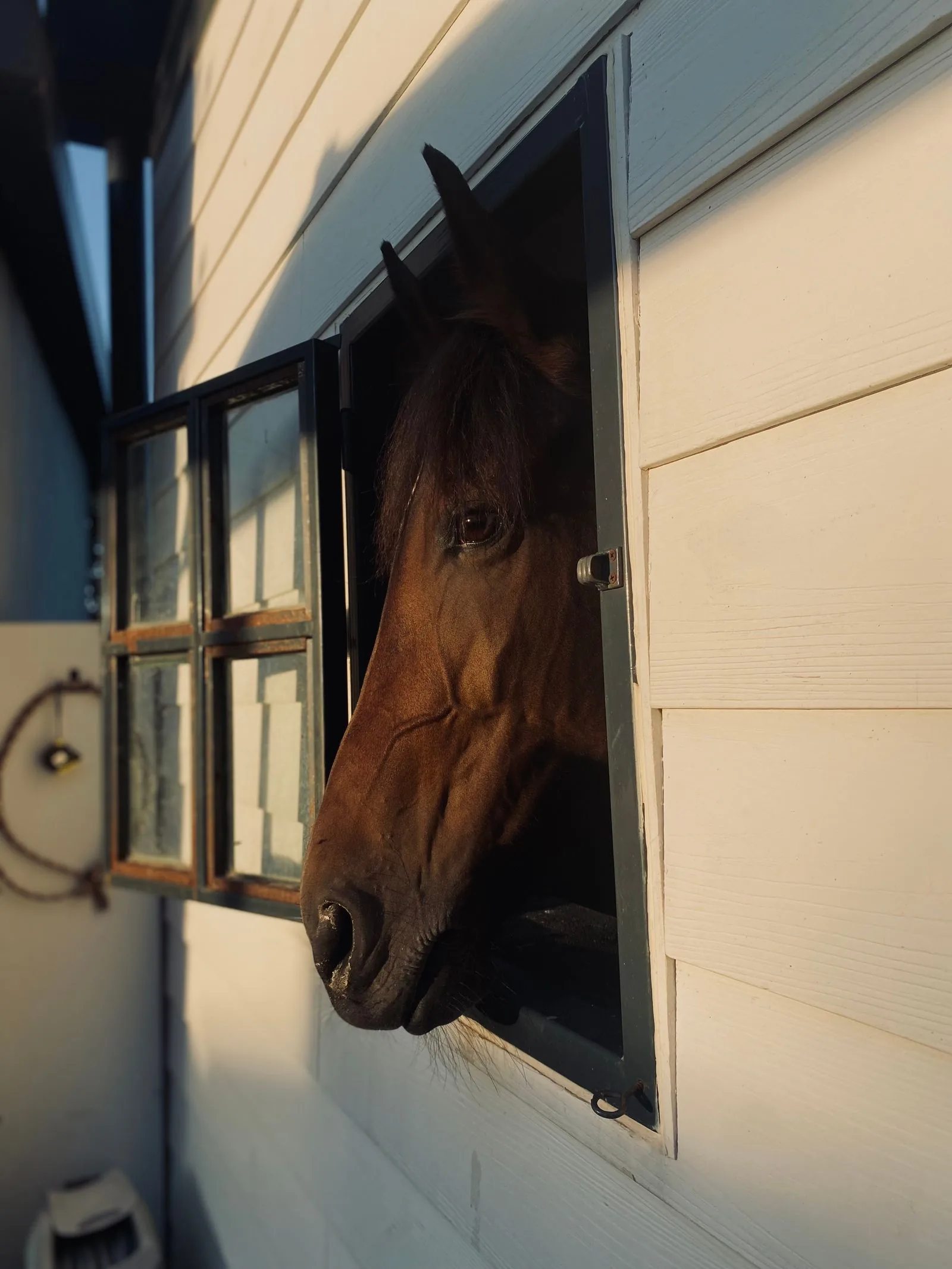
Buy the horse that suits your ability, not your ambition — an older, sensible schoolmaster over a young project. Always take an experienced person, get a pre-purchase vetting, view more than once, and never buy the first horse you fall in love with online.
Buying your first horse is one of the most exciting — and most fraught — moments in a rider's life. It's also where costly, heartbreaking mistakes are made. The horse market is full of animals dressed up to look calmer or sounder than they are. Approach it with your head, not just your heart, and lean heavily on people who know more than you.
What to look for
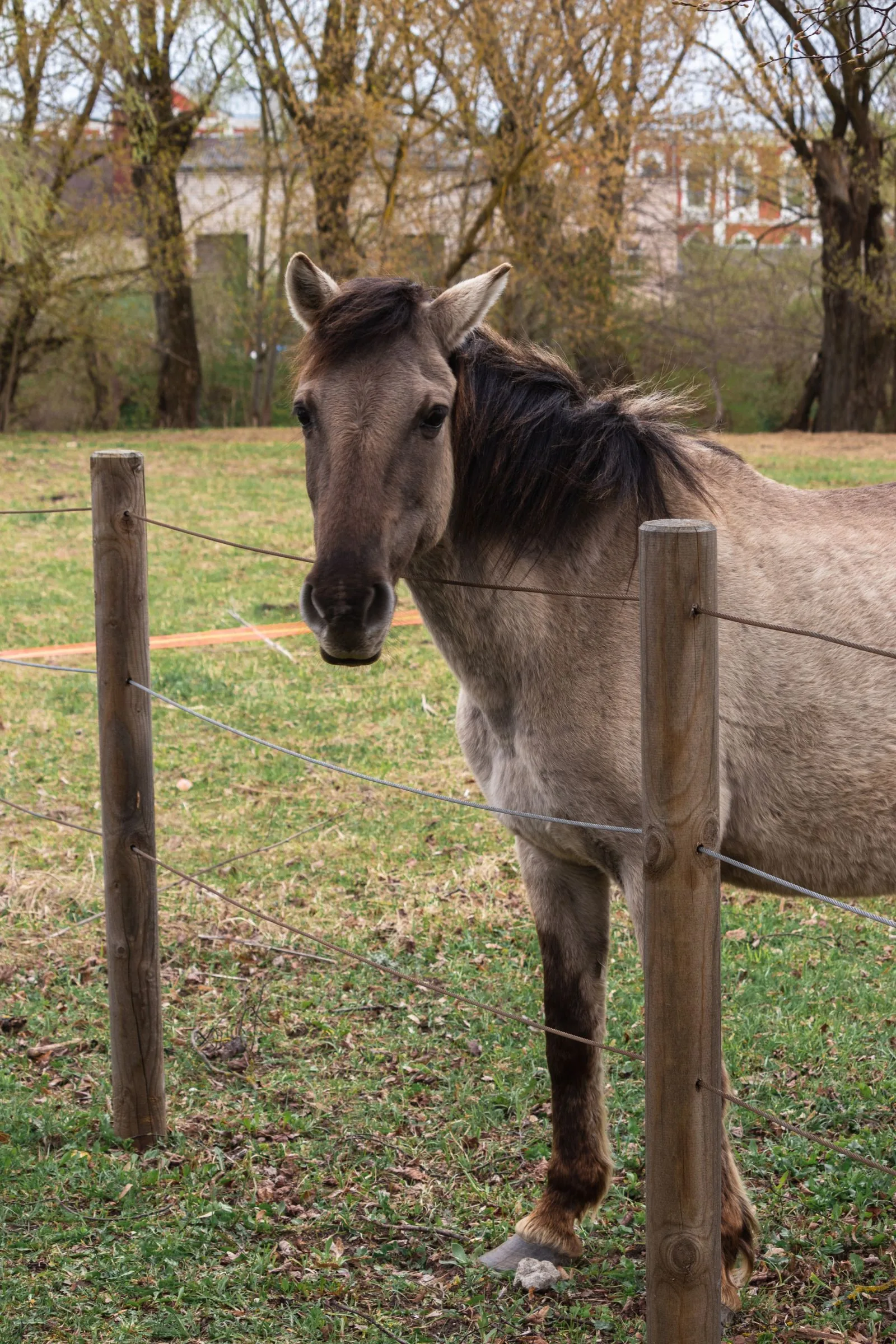
Your first horse should make you feel safe. That almost always means an older, experienced schoolmaster — a horse that's been there, done that, and will forgive your mistakes. Resist the romance of a young, cheap or 'green' horse you plan to 'bring on'; that's a job for a professional, not a novice. Match temperament and workload to your real ability, honestly assessed.
- Take an expert — your instructor or an experienced friend spots problems you'll miss.
- View more than once, at different times, and ideally see it caught, tacked up and ridden by the owner first.
- Ride it yourself in an open space, not just a small arena.
- Ask about vices, history and health — and watch the seller's body language.
Vetting and paperwork
Always commission a pre-purchase vetting from an independent vet — a two-stage or, for a more valuable horse, a five-stage examination. It can uncover lameness, heart or wind problems that save you thousands. Check the horse's passport (legally required in the UK), any known history and whether it's freeze-marked or microchipped. If a seller resists vetting, walk away.
Are you actually ready to own a horse?
Before you look at a single advert, be honest with yourself about readiness, because ownership is a world away from a weekly lesson. Can you ride confidently and independently at walk, trot and canter, catch and handle a horse safely, pick out feet, put on a rug and recognise when something's wrong? Do you have the time — horses need attention twice a day, every day, in the rain and the dark, whether or not you fancy it — and a plan for holidays and illness? And do you have the money not just to buy but to keep a horse for its twenty-plus-year life, including the vet bill that arrives without warning? If any of these gives you pause, a share or loan first is the sensible answer. There's no shame in waiting; there's real hardship, for you and the horse, in buying too soon.
Where to look — and where to be careful
First horses are found through classified sites, dealers, local word of mouth and social-media selling groups. Each has its pitfalls. Private sellers range from honest owners finding a good home to sharp operators dressing up an unsuitable horse. Dealers can be excellent and offer a warranty, but a minority sedate, over-school or mask problems for a viewing. Online adverts are riddled with flattering photos and vague descriptions. Wherever you look, the rules are the same: never buy unseen, be deeply sceptical of a horse that seems too cheap for its description, and remember that the phrases 'forward-going', 'not a novice ride' and 'needs an experienced home' are polite code for 'difficult'. If it sounds too good to be true, it almost always is.
Trying a horse properly
A proper trial tells you far more than a single quick sit. Ask to see the horse caught in the field, groomed and tacked up — a horse that's hard to catch or nappy to tack is telling you something. Watch the owner ride it first, then ride it yourself in walk, trot and canter, and ask to take it out of the arena into an open space or down a quiet lane, because plenty of horses are angels in a school and quite different out hacking. Handle its feet, see it stand for the farrier if you can, and load it into a trailer or lorry if travelling is important to you. View at least twice, ideally at different times of day, and never let a seller rush or pressure you. A genuine seller wants their horse to go to the right home and will welcome your thoroughness.
Common first-time buyer mistakes
The same errors trap novice buyers again and again, and forewarned is forearmed:
- Buying on emotion — falling for a pretty face or a sob story instead of assessing suitability coolly.
- Over-horsing yourself — buying something too young, too sharp or too big for your ability.
- Skipping the vetting to save a few hundred pounds, then facing thousands in bills.
- Going alone — not taking an experienced instructor or friend who can spot trouble.
- Ignoring temperament — a sound horse with a difficult mind is no bargain for a beginner.
- Underestimating the cost of keeping it once it's home.
Loan or share before you buy
For many first-timers the wisest move isn't buying at all — at least not yet. A loan (where you take on full or part care of someone else's horse) or a share (a couple of days a week in exchange for a contribution to costs) lets you experience the reality of ownership without the enormous financial and emotional commitment, and without the difficulty of selling if it doesn't work out. It's a superb halfway house that teaches you what you actually want and need in a horse of your own, and it's how a great many owners sensibly begin. Put any loan arrangement in writing, ideally using the British Horse Society's loan agreement template, so both parties know where they stand.
Before you buy anything, be sure you can afford the ongoing commitment — read the real cost of owning a horse and understand your livery options. Once home, our horse care basics and essential tack guides will get you started.