Livery Yards Explained: DIY, Part and Full Livery
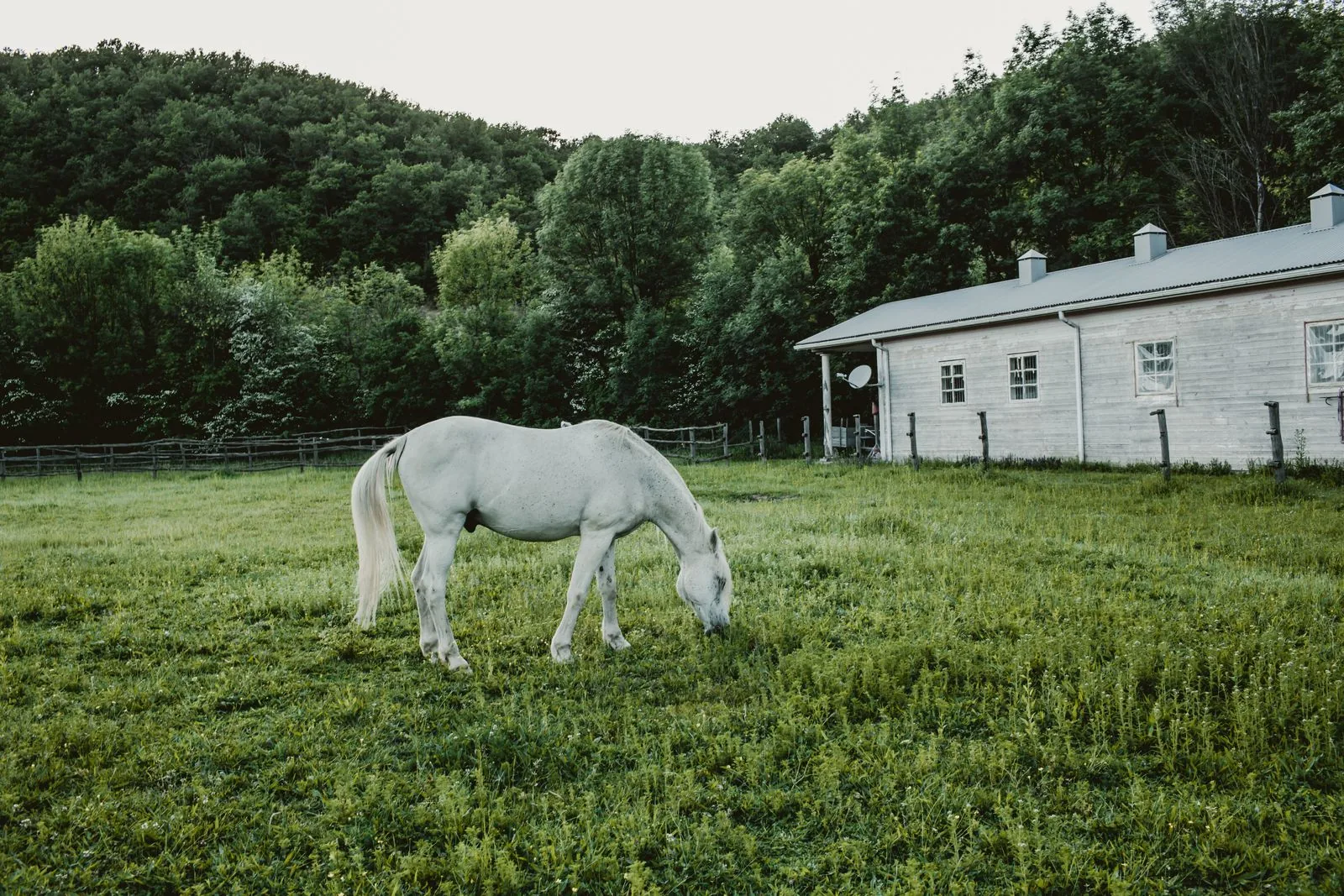
Livery is where you keep your horse if you don't own land. DIY = you do everything (cheapest); part = shared care; full = the yard does it all (dearest); grass = living out. Pick the level that matches your time, budget and experience.
Unless you're lucky enough to have your own paddock and stable, your horse will live at a livery yard — and the type of livery you choose shapes both your costs and how much of your life the horse consumes. Understanding the options before you buy is essential, because the right arrangement depends entirely on your time, experience and budget.
The four main types
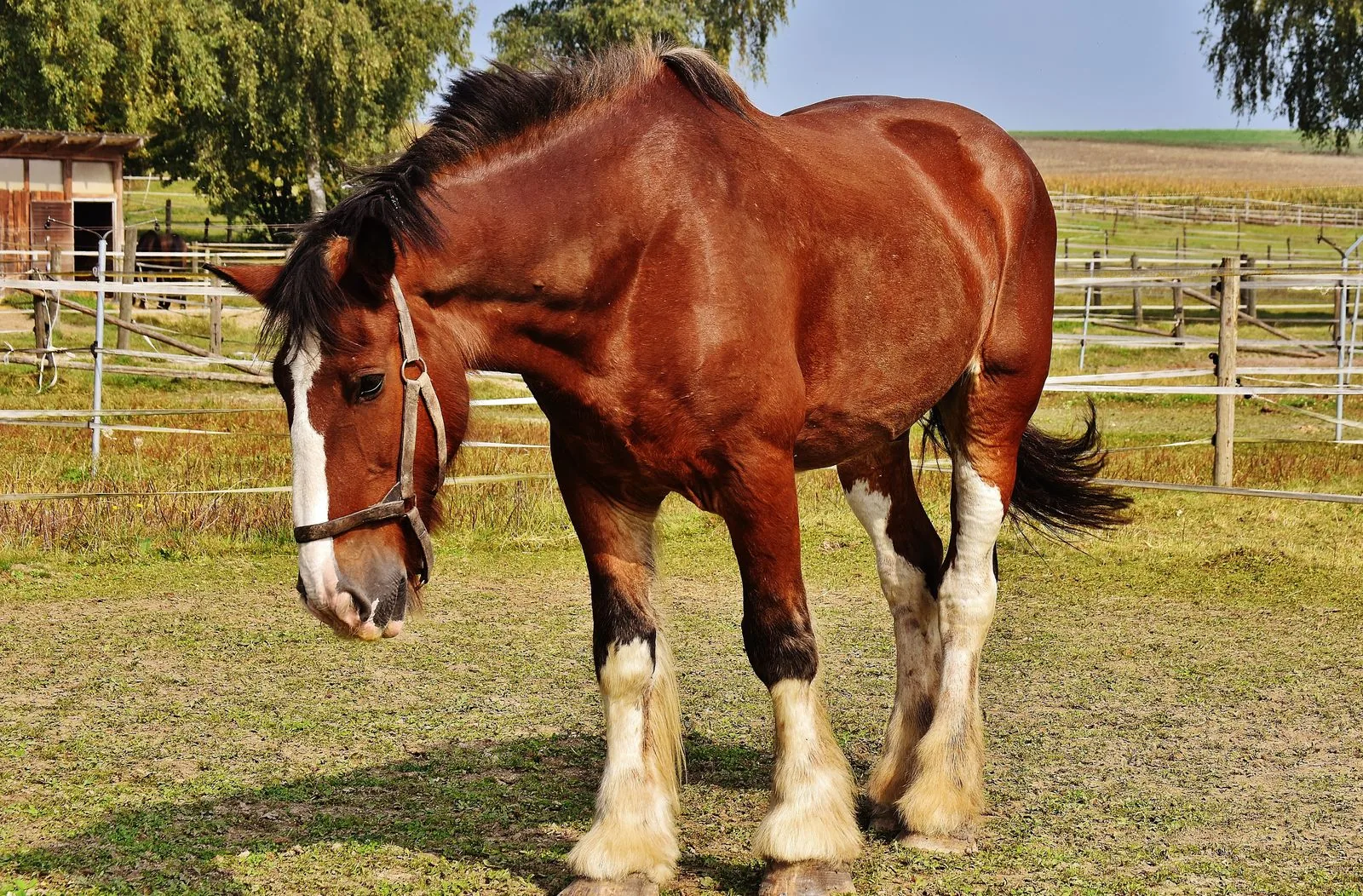
DIY livery is the cheapest: you rent a stable and grazing and do all the work yourself — mucking out, feeding, turning out, twice a day, every day. Part livery splits the care between you and the yard, a popular middle ground for working owners. Full livery is the most expensive but the yard does everything, ideal if you're busy or new. Grass livery means the horse lives out year-round, cheaper but only suitable for hardy types and dependent on good pasture.
- DIY: lowest cost, highest time commitment — around £100–£180 a month.
- Part: shared duties; you might do mornings, the yard does evenings.
- Full: hands-off convenience at £350+ a month.
- Grass/assisted: living out, seasonal and budget-friendly for the right horse.
Choosing a yard
Cost aside, look at the essentials: safe fencing, clean water, decent grazing, an all-weather arena if you want to ride year-round, and — crucially — a friendly, drama-free atmosphere. Yards vary enormously in culture. Visit at a busy time, talk to existing liveries, and check what's included (bedding? hay? use of facilities?) so you can compare like with like.
What livery actually is
If you're new to all this, 'livery' simply means paying to keep your horse at someone else's yard — the equestrian equivalent of renting rather than owning your home. Very few owners have their own land with safe fencing, a stable, water and grazing, so the vast majority keep their horses on livery yards that provide those facilities for a monthly fee. What varies enormously is how much of the daily work the yard does for you, and that's the difference between DIY, part and full livery. The right choice hinges on a simple, honest question: how much time can you realistically give a horse every single day, and how much are you prepared to pay to have someone else fill the gaps? Everything else flows from that.
What's usually included — and what isn't
One of the biggest sources of confusion (and unexpected bills) is assuming a livery price covers more than it does. Always get the details in writing before you move in. A typical package might include the stable, grazing, use of the muck heap and access to the arena — but bedding, hay, hard feed, the farrier, the vet, worming and insurance are almost always extra and yours to arrange. On DIY you provide everything yourself; on part and full livery, feed and bedding are sometimes included and sometimes billed on top, so ask exactly what the headline figure buys. Clarify the little things too: is there a charge for holding your horse for the vet or farrier, for extra turnout, or for using the wash-bay and solarium? Knowing precisely where the line falls avoids awkward surprises and arguments later.
Questions to ask before you sign up
Treat choosing a yard like choosing somewhere to live, because in a sense you are. Before committing, ask:
- What exactly is included in the monthly price, and what costs extra?
- What are the turnout arrangements — how many hours, individual or group, and is it restricted in winter?
- What facilities are there (indoor/outdoor arena, hacking, horse walker, wash-bay) and are they shared or booked?
- What are the yard rules and hours — access times, dogs, visitors, riding in the school?
- Is there cover if you're ill or away — will someone care for your horse, and at what cost?
- What's the notice period, and are references or a trial available?
Yard culture matters more than facilities
Ask any experienced owner and they'll tell you the same thing: the atmosphere of a yard makes or breaks the experience far more than a smart arena or a fancy solarium. A friendly, well-run yard where people help each other, the owner is fair and approachable, and the horses are calm and content is worth its weight in gold — even if the fencing's a bit old. A yard riven by cliques, gossip and 'yard politics', by contrast, can make owning a horse genuinely miserable however good the facilities. Visit at a busy time, chat honestly with the existing liveries about what it's really like, and trust your gut. You'll be there in the cold and dark as well as the sunshine, so you want somewhere you actually look forward to going.
Matching livery to your experience and time
Be realistic about which level genuinely suits you, not just your wallet. A first-time owner, still learning the ropes, is often far better on part or full livery, where experienced staff are on hand and mistakes are less likely to slip through. A confident, time-rich owner may relish the control and economy of DIY. The classic trap is choosing DIY purely to save money, then discovering that mucking out at 6am before work, every day of the year, in horizontal Cumbrian rain, is a very different proposition from the sunny weekend you imagined. There's no shame in paying for help; a well-cared-for horse and a sustainable routine matter far more than saving a few pounds you'll come to resent.
Match your choice to the true cost of ownership and your ability to do the daily care. If you're still at the buying stage, read buying your first horse first.