Horse Care Basics for Beginners
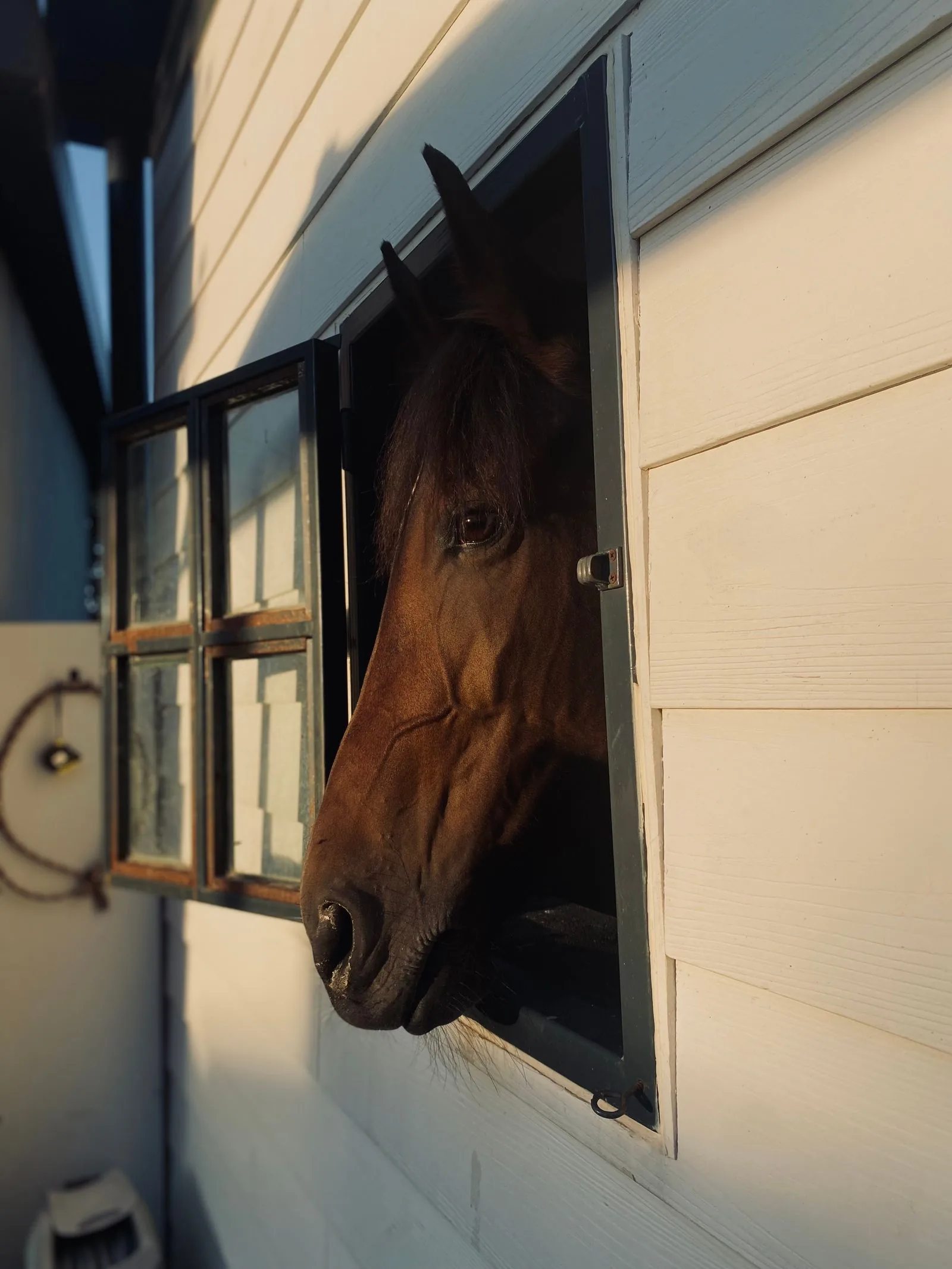
A horse needs the same things every single day: clean water, appropriate forage, a daily check-over and safe shelter. Learn to muck out, pick out feet, and spot the early signs that something's wrong. Consistency and observation are the whole job.
Caring for a horse isn't complicated, but it is relentless — 365 days a year, in all weathers. The good news is that the fundamentals are simple and quickly become second nature. A healthy routine is built on consistency and, above all, observation: the owner who notices the small changes catches problems before they become emergencies.
The daily essentials
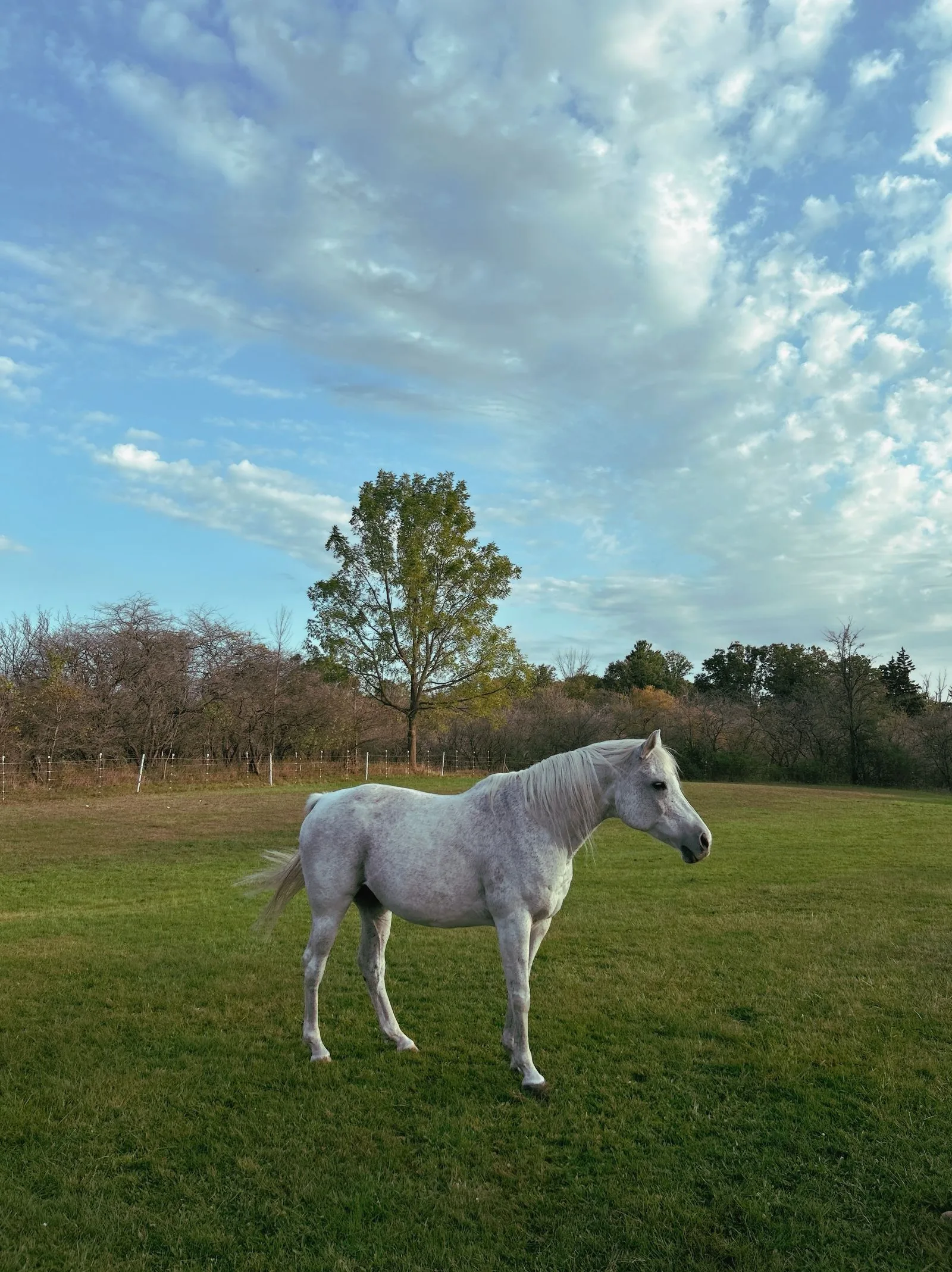
Every day, a horse needs a constant supply of clean, fresh water, appropriate forage (grass or hay makes up the bulk of a healthy diet), and a proper check-over — eyes bright, appetite normal, no heat or swelling in the legs, droppings healthy. Pick out the feet daily to remove packed mud and stones and to check for thrush or stones bruising the sole.
- Water: check and refill troughs and buckets at least twice a day.
- Forage first: feed little and often, keeping hard feed to what the workload genuinely requires.
- Muck out stables daily to protect feet and lungs from ammonia and damp.
- Turnout and exercise: horses need daily movement and time to be horses.
Learning to spot trouble
Get to know your horse's normal so you notice the abnormal — a change in appetite, a dull coat, reluctance to move, or rolling and pawing (a possible sign of colic, which is an emergency). Learn to take a temperature, pulse and respiration rate, and keep your vet's and farrier's numbers to hand. When in doubt, ask an experienced person — no one minds a beginner's question about a horse's welfare.
Turnout, forage and letting a horse be a horse
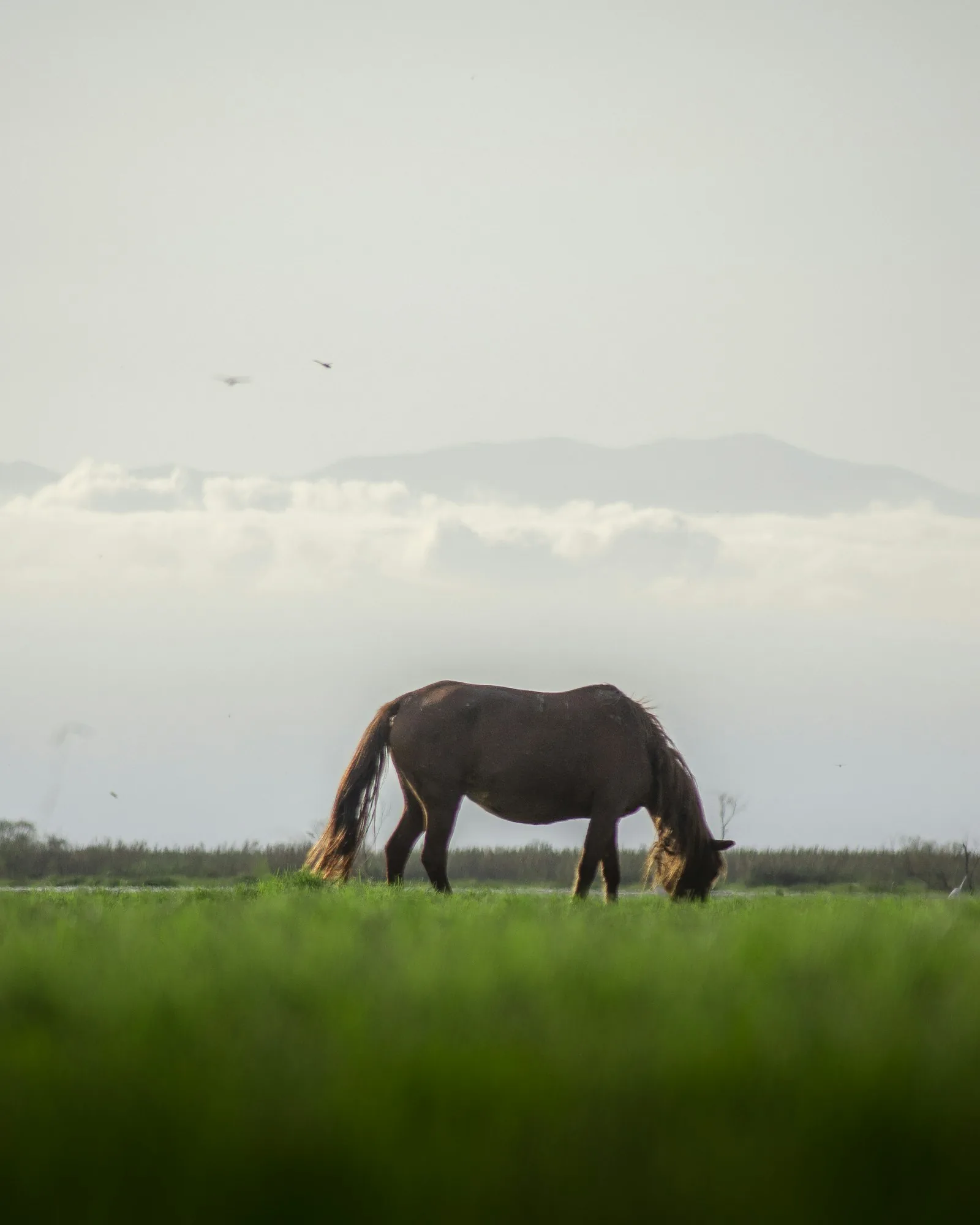
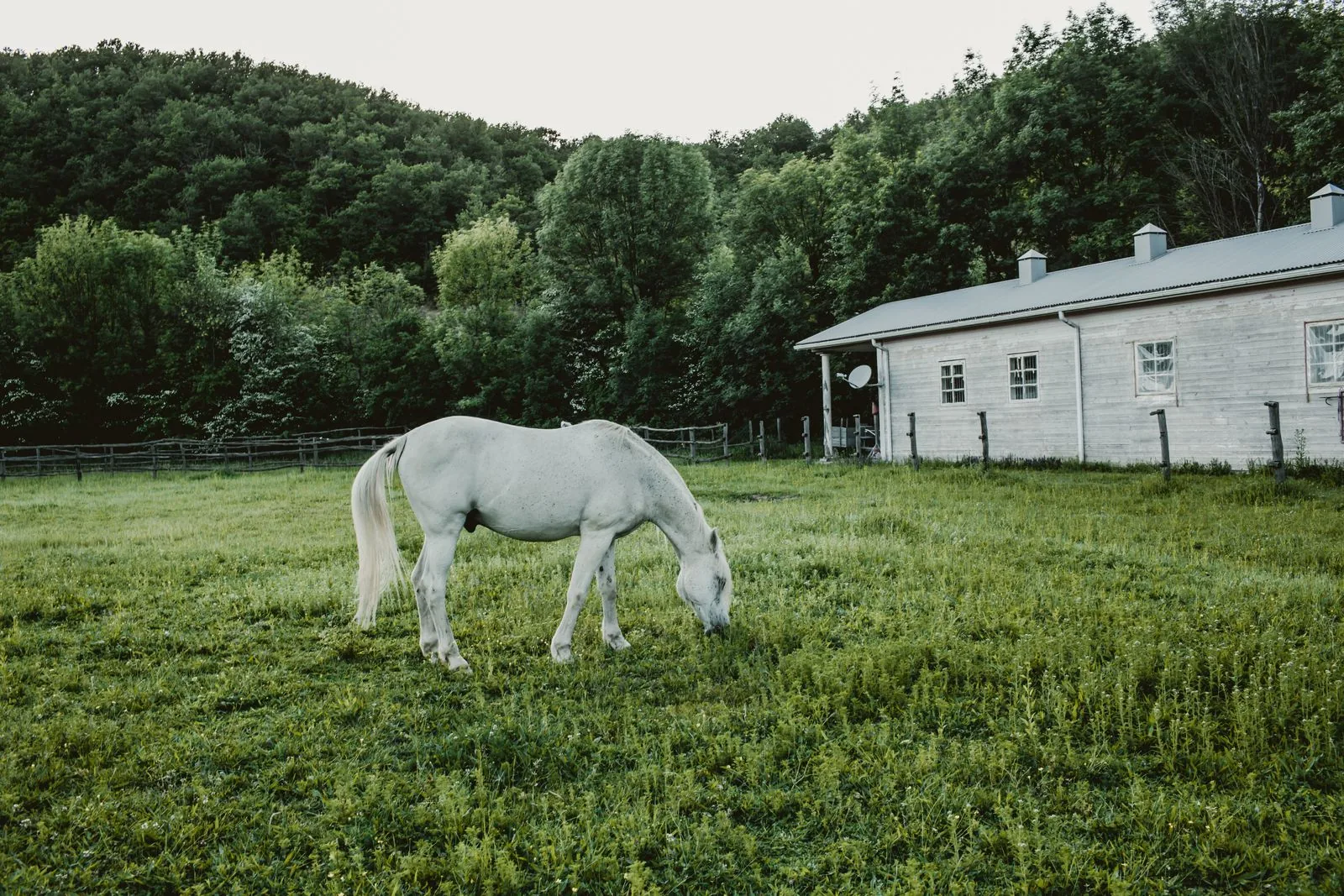
Underneath all the brushing and mucking out, the single most important thing you can give a horse is the chance to live as naturally as possible: plenty of turnout, near-constant access to forage, and the company of other horses. Horses evolved to wander and graze for sixteen or more hours a day, and a horse that stands in a stable for long stretches with an empty net is prone to boredom, stress, gastric ulcers and stable vices like weaving or crib-biting. Aim to maximise time in the field, keep hay in front of them when they're in, and never house a horse in complete isolation if you can avoid it. Getting these big things right prevents far more problems than any amount of fussing over the small ones.
A sample daily and weekly routine
Horses thrive on routine, and building a reliable rhythm makes the work quicker and the horse calmer. A typical day looks something like this:
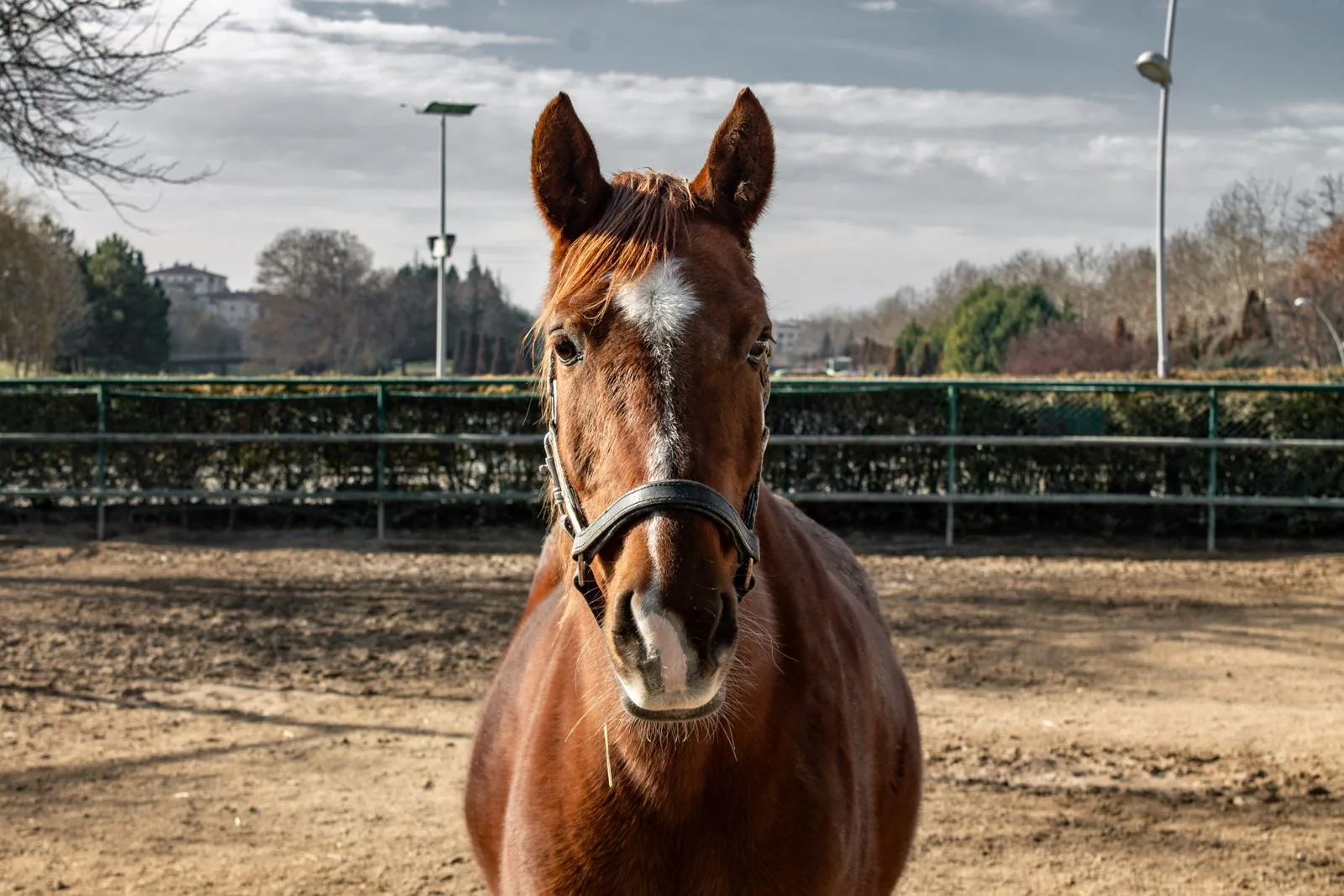
- Morning: check the horse over, refill water, give forage/feed, pick out feet, turn out, and muck out the stable while it's empty.
- Midday (if stabled): top up hay and water, do a quick welfare check.
- Evening: bring in (or check the field), feed, refill water and haynet, pick out feet, skip out the stable and rug up if needed.
Weekly and monthly jobs round it out: a thorough groom, scrubbing water buckets and troughs, checking rugs for damage, sweeping the yard, and keeping an eye on the diary for the farrier every six weeks, worming and vaccination dates. Writing the routine on a yard whiteboard helps, especially if the care is shared.
The five freedoms of good welfare
Everything in horse care comes back to a simple, widely used welfare framework — the five freedoms. A well-kept horse is free from hunger and thirst (constant water and appropriate forage), free from discomfort (shelter, dry bedding, suitable rugs), free from pain, injury and disease (routine farrier, dental, worming and prompt vet care), free to express normal behaviour (turnout, grazing and the company of other horses), and free from fear and distress (calm, consistent handling). Hold your daily routine up against these five and you'll rarely go far wrong — they turn a long list of chores into a clear sense of what the horse actually needs from you.
Recognising a healthy horse
The best owners are quietly observant, and knowing what 'well' looks like is what lets you spot 'unwell' early. A healthy horse has bright, clear eyes, a shiny coat, a good appetite, and stands square and relaxed, bearing weight evenly on all four feet. Its droppings are well-formed and regular, its breathing is easy at rest, and its legs are cool and free of swelling. Learn to take its resting vital signs — a temperature of around 37–38°C, a pulse of roughly 28–44 beats per minute, and 8–16 breaths per minute — so that when something's off, you have real numbers to give the vet rather than a vague worry.
When to call the vet
Part of good care is knowing when a problem is an emergency. Call the vet without delay if your horse shows signs of colic (rolling, pawing, looking at its flank, going off feed), is severely lame or won't bear weight, has a deep or heavily bleeding wound, is struggling to breathe, or seems dull, feverish and clearly unwell. It's always better to phone and be reassured than to wait and regret it — most vets would far rather take an early call than a midnight emergency. Keep your vet's number, your horse's normal vitals and a basic first-aid kit somewhere everyone at the yard can find them.
Feeding deserves its own read — see what to feed your horse — as does grooming and winter care. If you keep your horse at a yard, understand your livery arrangement.