Grooming Your Horse: A Beginner's Guide
Groom in order: hoof pick, curry comb to lift dirt, dandy brush, then body brush for shine, finishing the mane, tail and face. Grooming isn't just cosmetic — it checks for injuries, improves circulation and builds your bond. Always pick out feet before and after riding.
Grooming is one of the great pleasures of horse ownership and far more than making your horse look smart. A proper groom stimulates circulation, keeps the skin and coat healthy, and — most valuable of all — gives you a daily, hands-on check for cuts, heat, swelling and sore spots you'd otherwise miss. It's also how many horses and owners build their bond.
The order of grooming

Work methodically. Start by picking out the feet, checking each hoof for stones, thrush and loose shoes. Next, use a rubber curry comb in small circles to lift mud and loose hair — never on the bony legs or face. Follow with a stiff dandy brush to flick that dirt away, then a soft body brush in long strokes to remove fine dust and bring up the shine, cleaning the brush on the curry comb as you go.
- Hoof pick: feet first, every time, before and after riding.
- Curry comb: loosens dirt and stimulates the skin (body only).
- Dandy & body brushes: remove dirt, then polish the coat.
- Mane & tail comb, sponge, hoof oil: for the finishing touches.
Mane, tail and finishing
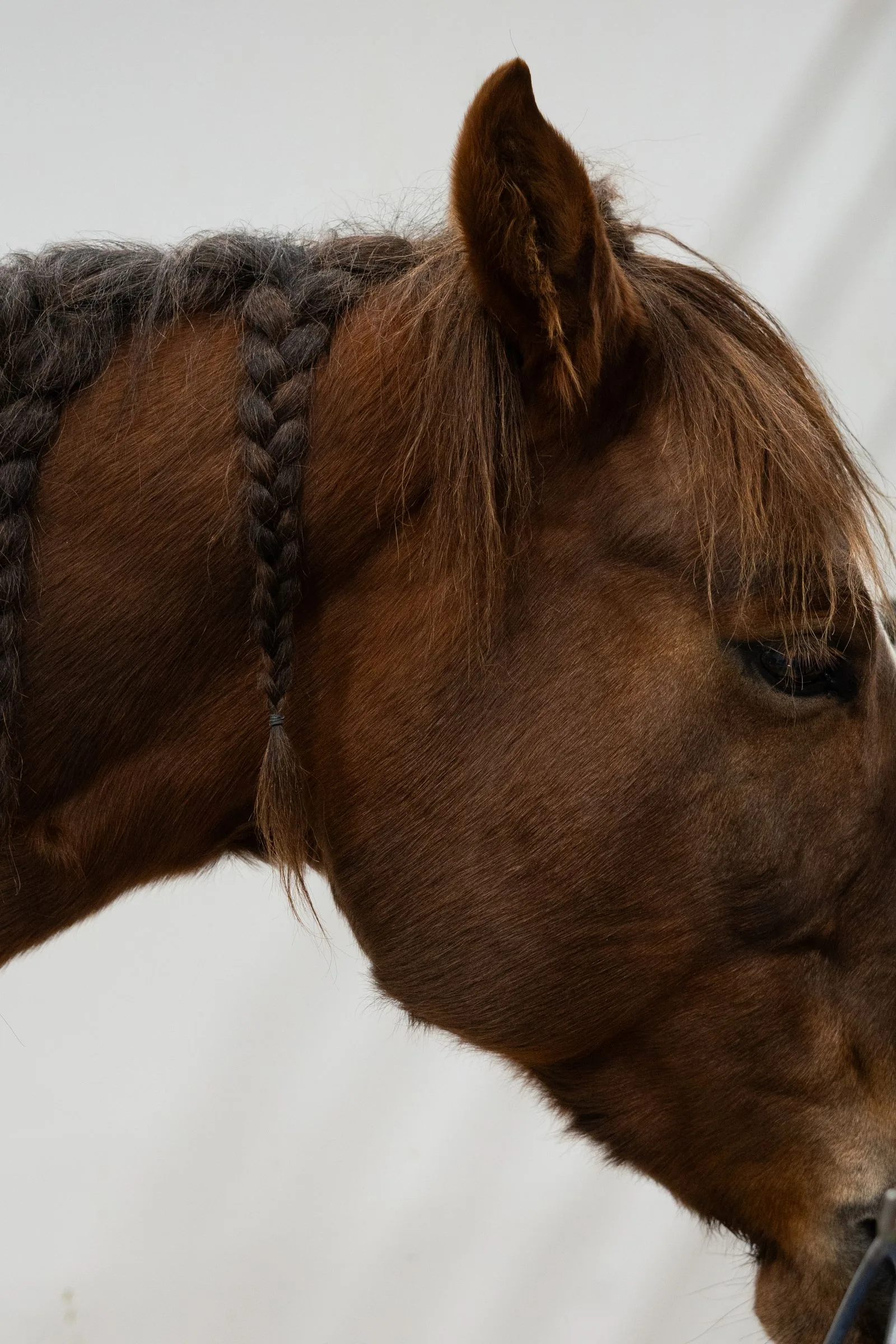
Detangle the mane and tail gently with your fingers or a soft brush, starting at the bottom to avoid pulling hairs out. Use separate damp sponges for the eyes, nose and dock. Finish with a soft cloth for a gleam, and apply hoof oil if showing. Keep grooming a positive, calm experience — never rush a fidgety horse, and always stand safely to the side.
When to groom — and when not to
Timing matters as much as technique. Always pick out the feet and give a quick brush-over of the saddle and girth area before you ride, so no dried mud or grit rubs under the tack. A fuller groom is often nicest after exercise, once the horse has warmed up and any sweat has dried, when the pores are open and the coat brushes up beautifully. Avoid a hard groom on a horse that's still hot and sweaty — let it cool and dry first — and never groom in a way that fights a tired or unsettled horse. A short daily groom keeps on top of things far better than an occasional marathon session, and it's the daily contact, more than the shine, that does the real good.
What each tool is really for
A grooming kit can look like an intimidating jumble of brushes, but each has a clear, specific job — and using the right one at the right moment is what separates an effective groom from an ineffective one:
- Hoof pick: clears mud, stones and muck from the feet and lets you spot thrush or a loose shoe — the most important tool of all.
- Rubber curry comb: used in circles on the body (never the legs or face) to lift caked mud and loosen dead hair and grease.
- Dandy brush: a stiff-bristled brush that flicks away the mud and hair the curry comb has raised; best for muddy legs and thick coats.
- Body brush: soft bristles that reach through to the skin, removing fine dust and grease and bringing up a real shine.
- Metal curry comb: not for the horse — used to clean the body brush between strokes.
- Mane and tail comb or brush: for detangling, worked gently from the bottom up.
- Sponges: kept separate for the eyes/nose and the dock, dampened and wrung out.
- Hoof-oil brush: for a smart finish and to condition the hoof wall.
Grooming a horse that lives out
An important caveat many beginners miss: a horse living out through a British winter should not be groomed as thoroughly as a stabled one. The grease and natural oils in the coat are exactly what keep the horse warm and waterproof, so brushing them all out on a wet January day does the horse no favours. For a horse that lives out, concentrate on picking out the feet, removing dried mud from the saddle and girth area before riding, and a light going-over — but leave the deep, shine-bringing body-brushing for the warmer months or for a clipped, stabled, rugged horse. Never brush an area that's about to sit under the saddle if it's caked in dried mud, though, as that causes painful rubs.
Grooming as a daily health check
The real value of grooming isn't cosmetic at all — it's the daily, hands-on inspection it gives you of every inch of your horse. As you work over the body, you're feeling for heat, swelling, cuts, lumps, ticks and sore spots, checking the eyes are bright and the nostrils clean, and noticing whether the horse flinches anywhere that might signal pain. Running a hand down each leg tells you if a tendon is warm or filled; picking out the feet reveals thrush, bruising or a brewing abscess long before it makes the horse lame. Owners who groom attentively catch problems days earlier than those who don't, and those early catches routinely save on vet bills and suffering. Treat every groom as a quiet head-to-hoof MOT, and you'll be a better owner for it.
Staying safe and keeping it pleasant
Grooming should be a calm, positive ritual for both of you, but a few sensible habits keep it safe. Always tie the horse up with a quick-release knot to a loop of breakable string, and let it know where you are with your voice and a hand on the body as you move around it. Take particular care around the ticklish belly, sensitive face and the hind legs — never crouch or kneel where a startled horse could catch you, and pick up feet with practised confidence rather than hesitation. If your horse fidgets, work out whether it's discomfort, boredom or bad manners, and don't rush. Done kindly and consistently, grooming becomes many horses' favourite part of the day and one of the loveliest ways to build trust with a new horse.
Grooming is part of daily horse care, and it's easier with the right tools — see our best grooming kit. In the cold months, adjust your routine with our winter care guide.