Caring for Your Horse in Winter
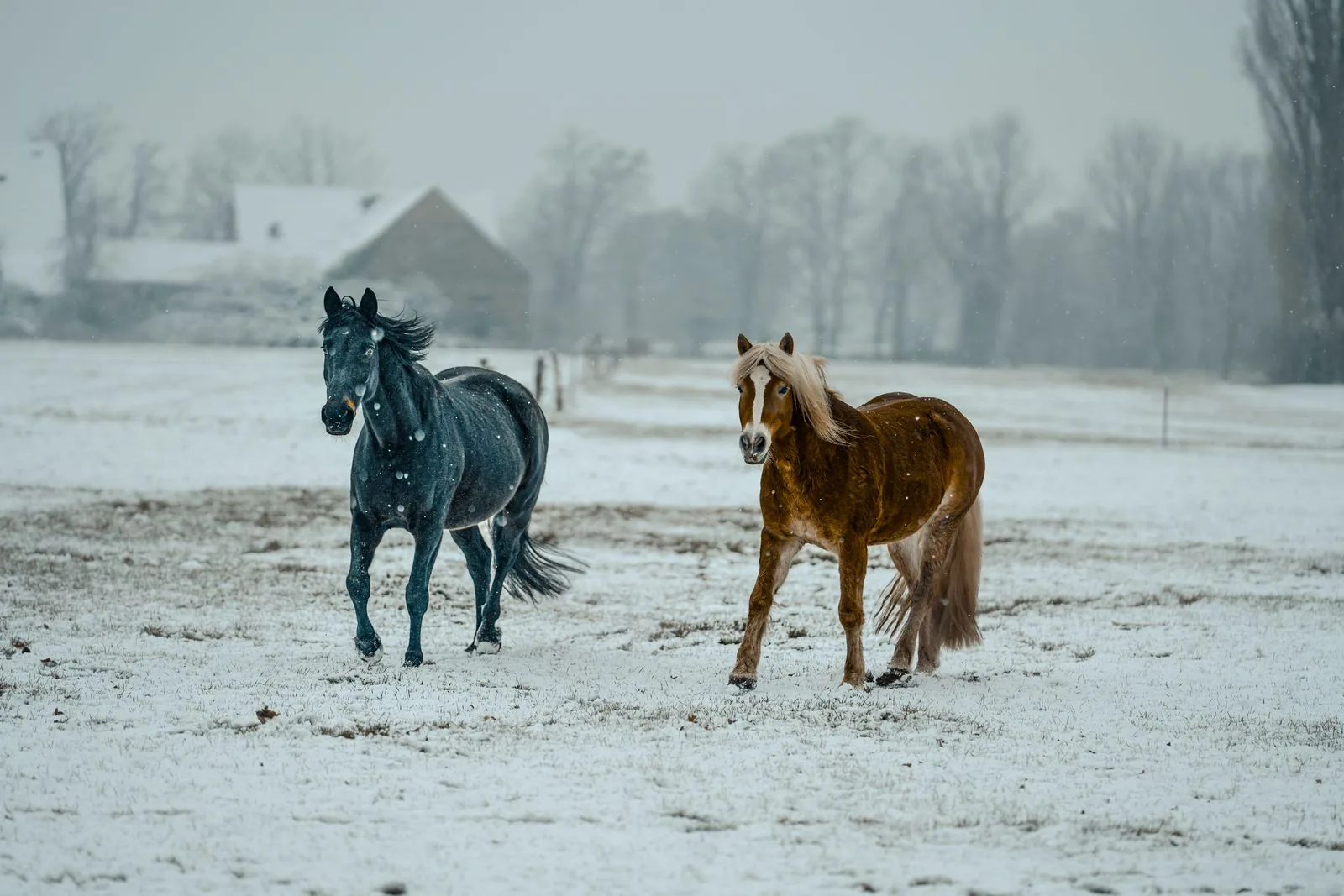
Winter care is about warmth, dry legs and unfrozen water. Rug to the weather and the horse's clip, check daily for mud fever, keep troughs ice-free, and feed extra forage — digesting fibre keeps a horse warm from the inside. Turnout matters even when it's grim.
A British winter tests every horse owner. Short days, deep mud and freezing water turn the daily routine into hard, cold work — but a horse depends on you utterly through the worst of it. Manage the three big challenges — warmth, dry legs and drinking water — and you'll keep your horse healthy until the spring grass returns.
Rugging and warmth
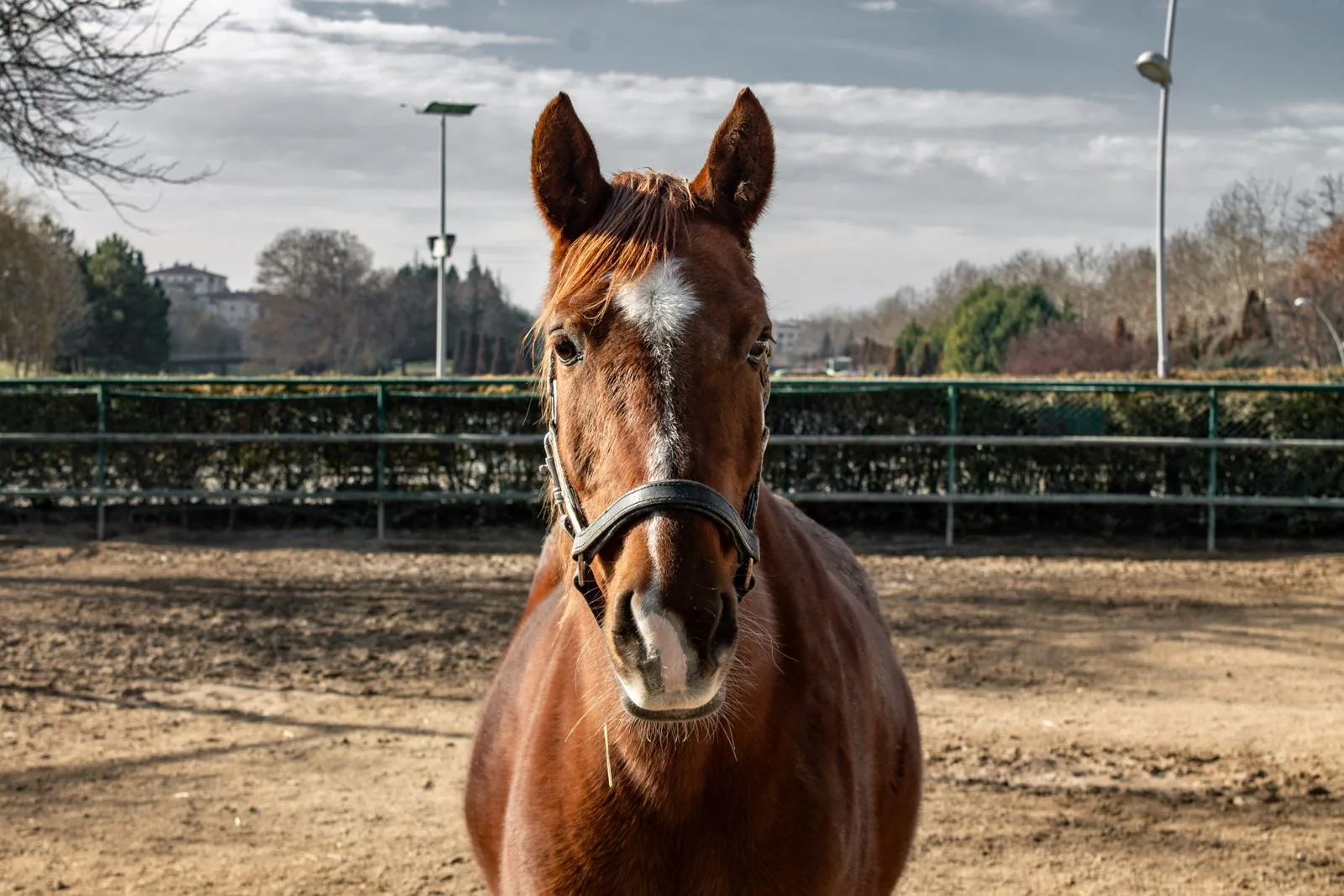
Whether and how much to rug depends on the horse's clip, breed, age and living arrangements. A clipped horse in work needs rugging; a hardy native pony living out may need little or nothing. Match the rug's weight to the weather, check daily that it hasn't slipped or rubbed, and never put a rug on a wet horse or leave a damp rug on overnight. When in doubt, feel the horse's ears and shoulder rather than guessing.
- Mud fever: check and dry the lower legs daily; wet, muddy skin is where it starts.
- Water: break ice twice a day and insulate troughs; horses drink less if water is icy, risking colic.
- Feed: increase forage — digesting fibre produces warmth more effectively than hard feed.
- Turnout: horses still need daily movement; rotate gateways and rest poached fields.
Mud, feet and turnout
Constant wet causes mud fever (painful scabby skin on the legs) and softens hooves, so keep legs as clean and dry as practical and pick out feet daily. Standing in mud all day is bad for horses physically and mentally, so provide the driest turnout you can and consider a well-bedded stable or field shelter. Keep up farrier visits — feet still grow in winter.
To clip or not to clip?
A horse in regular winter work faces a dilemma: its thick winter coat makes it sweat heavily during exercise, then that damp coat chills it to the bone afterwards. The answer is clipping — removing some or all of the winter coat so the horse dries quickly and works comfortably — balanced with appropriate rugging to replace the warmth you've taken away. A lightly worked horse might have a bib or trace clip that removes hair only where it sweats most, while a hard-working horse might have a fuller clip and heavier rugs. A horse that isn't ridden much through winter, or a hardy native living out, is usually better left unclipped with its natural protection intact. If you do clip, remember the golden rule: clip off, rug on — you've taken away its coat, so you must give the warmth back.
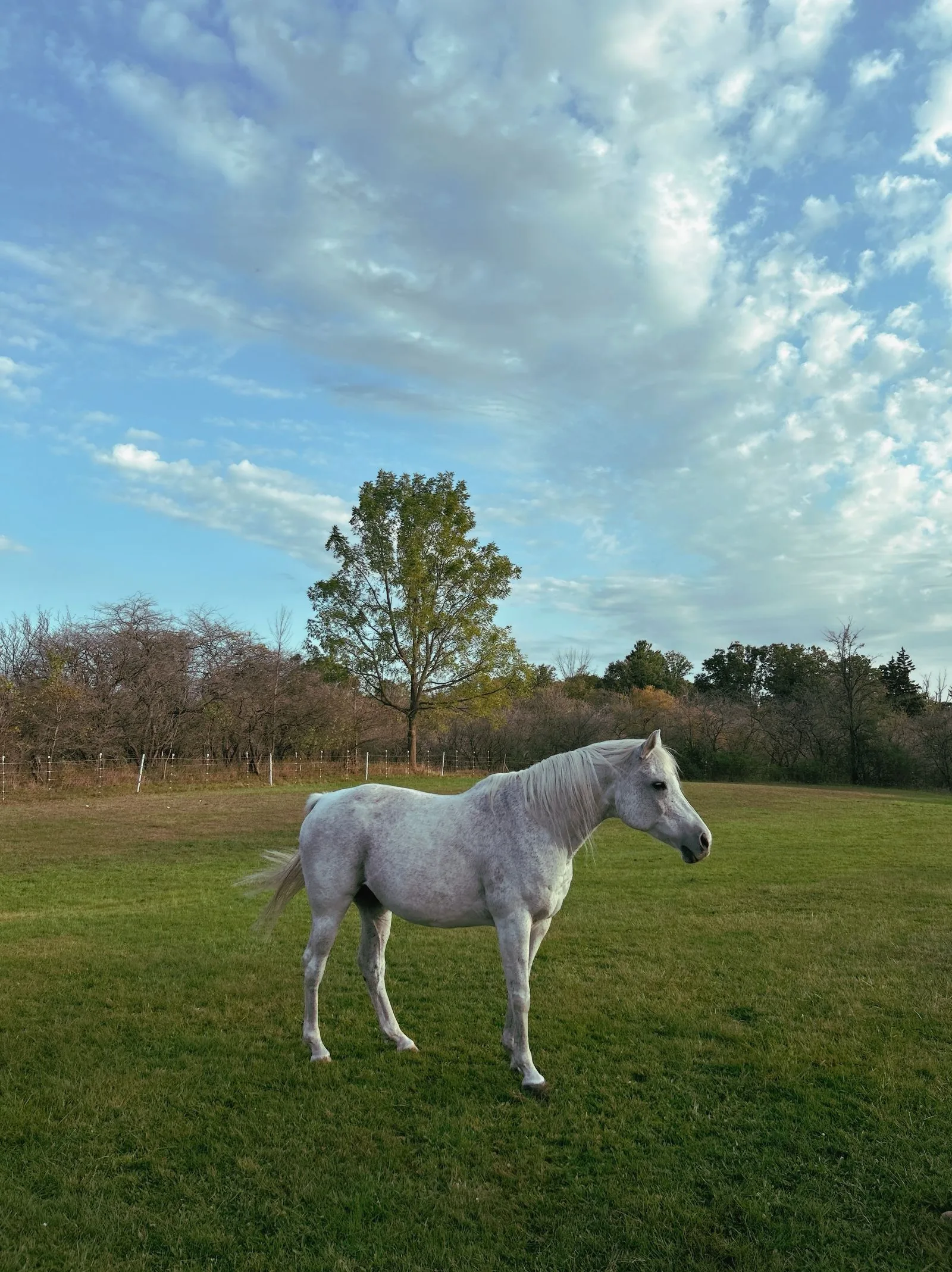
Rugging without getting it wrong
Rugging is where new owners fret most, and both over- and under-rugging cause problems. An over-rugged horse sweats, gets uncomfortable and, ironically, can lose the ability to regulate its own temperature; an under-rugged clipped horse shivers and burns condition trying to stay warm. Judge by the horse, not your own cold hands: feel the base of the ears and the shoulder or chest under the rug — warm and dry is right, hot and damp means too much, chilly means too little. Match the rug's weight (fill) to the temperature and the horse's clip, check daily that it hasn't slipped, twisted or rubbed raw patches at the shoulders and chest, and always make sure both horse and rug are dry before putting it on. Keep a spare so a soaked rug can be swapped and dried.
Beating the mud: preventing mud fever
The relentless wet of a British winter makes mud fever — a painful bacterial skin infection of the lower legs and heels — one of the season's commonest problems. Prevention beats cure every time. Try to provide the driest turnout you can, rotating gateways and fencing off the worst quagmires, and give the legs a chance to dry. There are two schools of thought on cleaning: either hose off mud and dry the legs thoroughly (never leave them wet), or let the mud dry and brush it off gently — but don't do a bit of both, as constant wetting strips the skin's protective barrier. Barrier creams can help on vulnerable pink-skinned or feathered legs. Catch any early scabs promptly, keep the area clean and dry, and call the vet if it spreads or the leg swells, as bad cases need antibiotics.
Water, feed and the winter routine
Two quieter winter dangers deserve real attention. First, water: horses drink less when it's icy or dirty, and reduced drinking is a leading cause of impaction colic in winter. Break and remove ice at least twice a day, insulate troughs and buckets, and never assume a frozen trough will sort itself out. Second, feeding for warmth: it's the digestion of fibre — hay, haylage, grass — that generates internal heat, not hard feed, so the single best thing you can do to keep a horse warm from the inside is to keep plenty of forage in front of it through the cold nights. Older, thinner or hard-working horses may need extra to hold condition, since maintaining body heat burns calories. Add the practical realities — frozen taps, dark mornings, deep mud underfoot — and it's clear why a good winter routine, warm waterproof kit for you, and a bit of forward planning make all the difference.
Winter feeding builds on the year-round rules in what to feed your horse, and grooming needs adjusting to protect coat oils — see grooming your horse. It all sits within good daily care.