What to Feed Your Horse: A Beginner's Guide
Feed forage first — grass and hay should form the bulk of every horse's diet. Add hard feed only to match real workload, and follow the golden rules: little and often, plenty of fibre, clean water always, and change feeds gradually. When in doubt, feed less.
Feeding is where well-meaning owners do the most accidental harm. Horses evolved to graze fibre almost constantly, and their digestive systems are surprisingly delicate. Get the principles right and most horses thrive on very little; get them wrong and you invite colic, laminitis and weight problems. The rule of thumb: keep it simple and forage-based.
Forage comes first
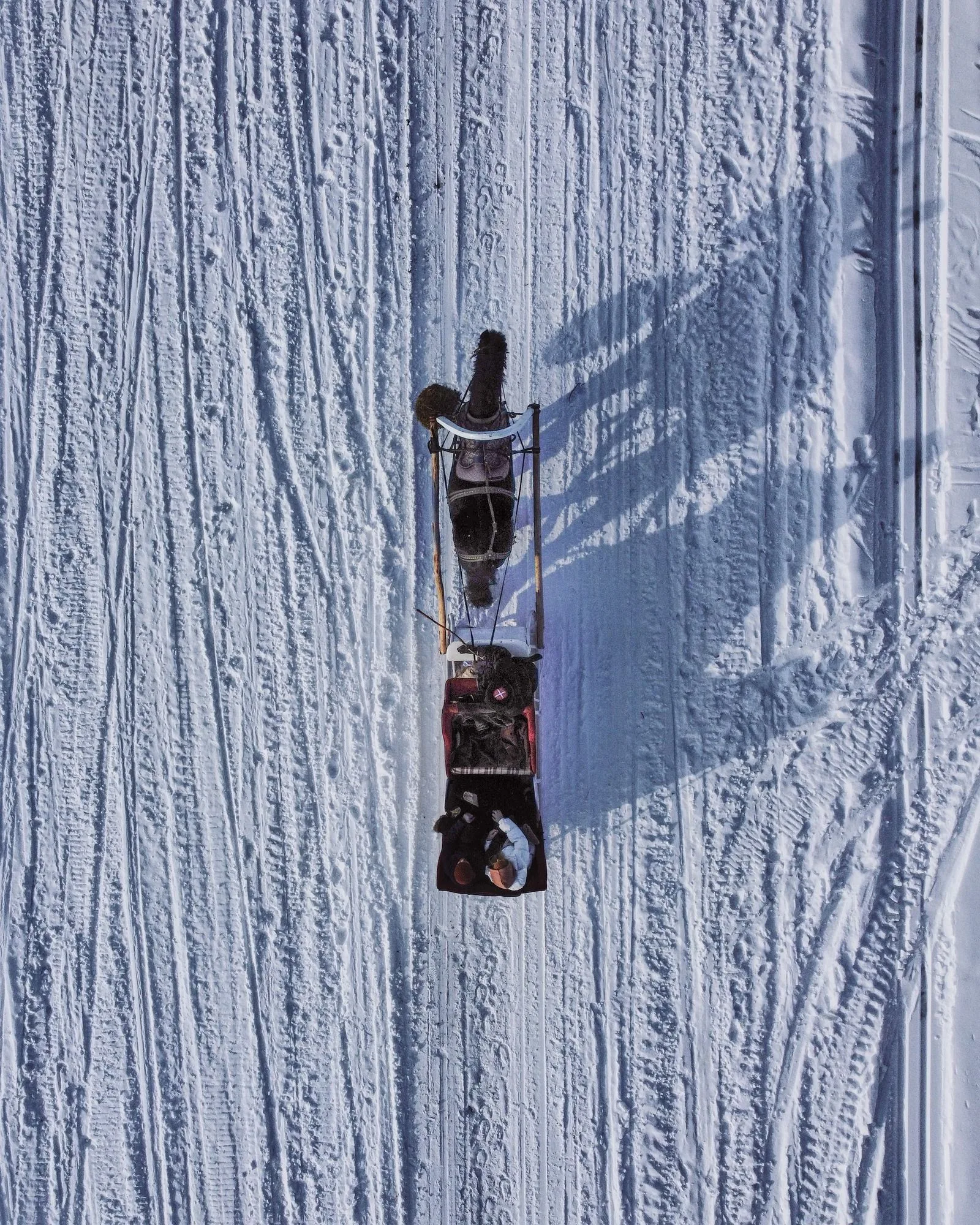
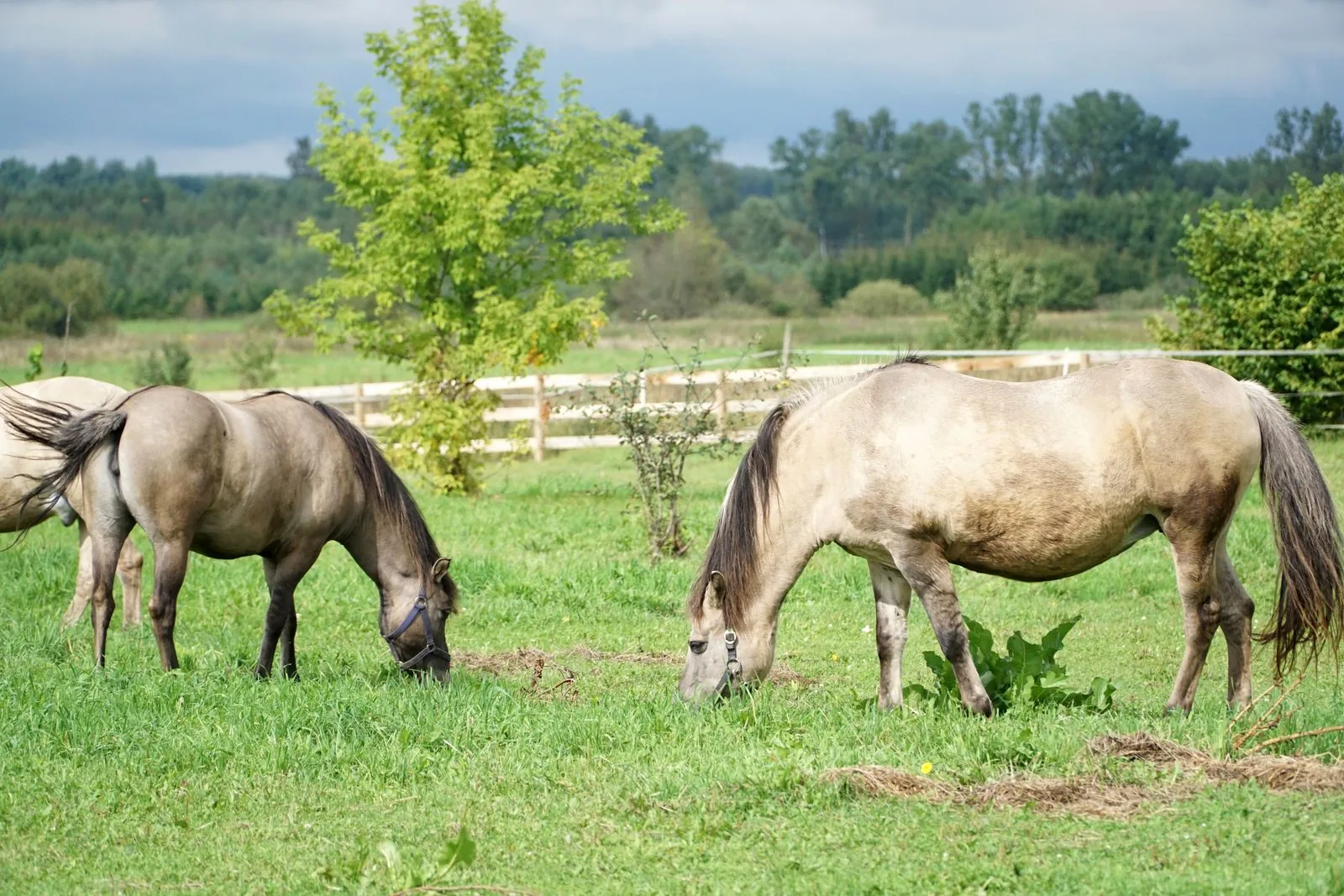
The foundation of every horse's diet is forage — grass in summer, hay or haylage when grazing is poor. A horse should have near-constant access to fibre to keep its gut moving and its mind settled. Many leisure horses in light work need little or nothing beyond good forage and a vitamin-and-mineral balancer. Hard feed (concentrates) is fuel for work, not a default.
- Little and often: mimic natural grazing rather than one large meal.
- Feed by workload and condition: a hacking pony needs far less than an eventer.
- Weigh feed, don't eyeball it, and adjust for the seasons.
- Clean water at all times — essential for digestion.
The rules that prevent illness
Introduce any new feed gradually over a week or two, as sudden changes upset gut bacteria and cause colic. Don't work a horse hard straight after a large feed. Watch weight closely — obesity and laminitis are now among the most common welfare problems in leisure horses, so restrict rich spring grass for good-doers and native ponies. If you're unsure, a nutritionist (many feed companies offer free advice) or your vet can help.
How a horse's digestion works — and why it matters
Almost every feeding rule makes sense once you understand the animal you're feeding. A horse is a trickle-feeder with a comparatively small stomach and a huge hind-gut full of fibre-fermenting bacteria. In the wild it grazes for sixteen or more hours a day, never going long with an empty stomach, and its digestive system is built for a steady trickle of fibre rather than large, infrequent meals. This is why the golden rules exist: feed little and often because the stomach is small; feed plenty of fibre because the gut needs it to function and the acid needs buffering; change feeds gradually because the gut bacteria take time to adapt and a sudden shift can trigger colic. A horse also can't vomit, so anything that goes wrong in the gut has nowhere to go — which is exactly why colic can be so serious. Feed with the horse's natural biology in mind and you'll rarely put a foot wrong.
Understanding the different feeds
The tack-shop feed wall is bewildering, but it breaks down into a few simple categories once you know what you're looking at:
- Forage (grass, hay, haylage): the fibre foundation of every diet — the bulk of what your horse should eat.
- Balancers: low-calorie pellets that top up vitamins and minerals without adding energy — ideal for good-doers on plenty of forage.
- Chaff and fibre feeds: chopped, often lightly molassed fibre that adds bulk and slows eating.
- Compound mixes and cubes: 'hard feed' providing extra energy, protein and condition for horses in real work.
- Straights (oats, barley, sugar beet): traditional single ingredients, best used with knowledge or advice.
- Supplements: for specific needs — joints, hooves, calming — but never a substitute for a sound basic diet.
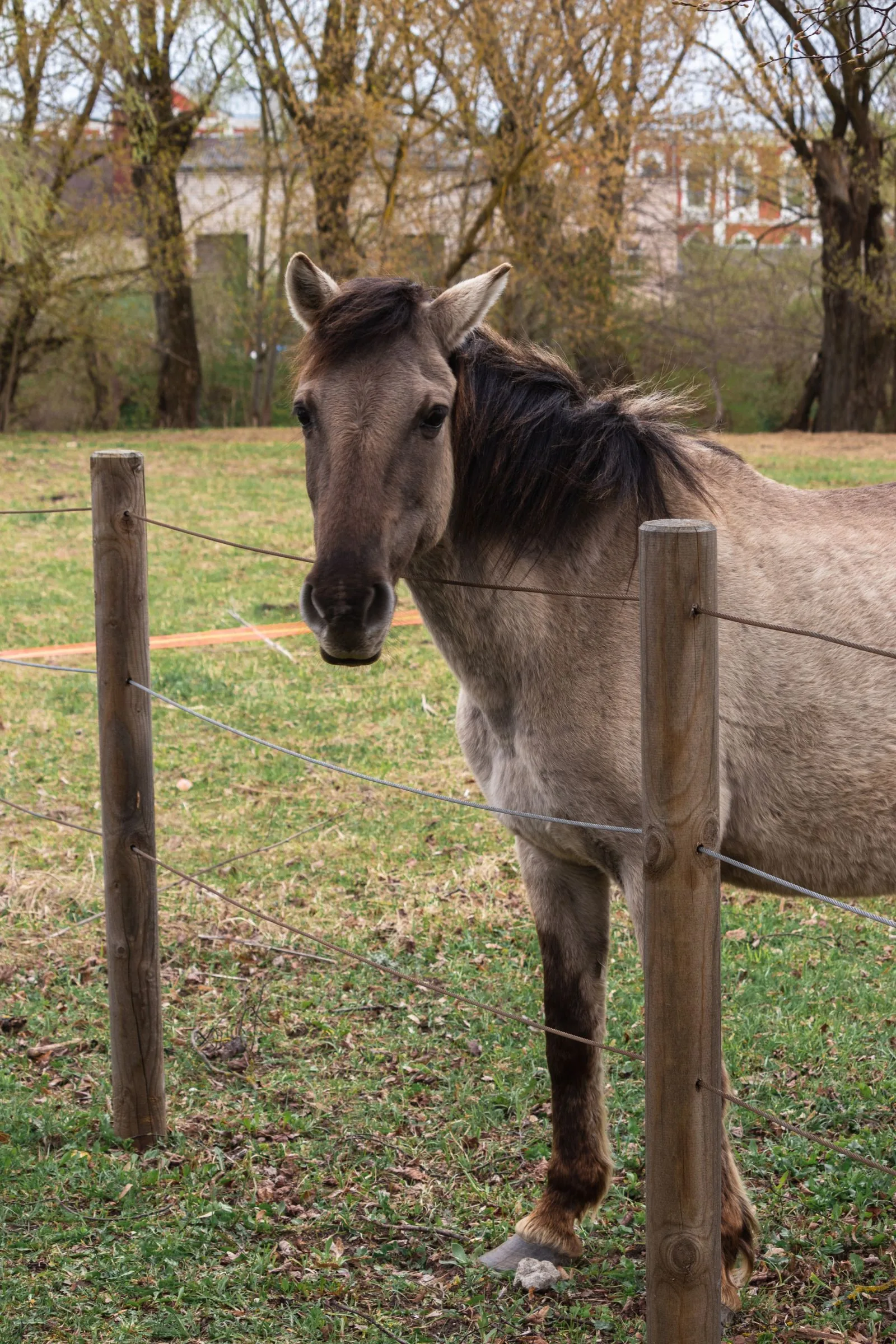
For a great many leisure horses, the answer is simply ad-lib forage plus a balancer. Reach for the energy-dense mixes only when a genuine workload or a struggle to hold condition demands it.
Feeding through the seasons
A horse's diet isn't fixed — it should shift with the British seasons. In spring and early summer, lush grass is rich in sugars and can pile on weight and trigger laminitis alarmingly fast, so good-doers and native ponies often need restricted grazing or a muzzle rather than extra feed. Through high summer, grass growth slows and quality dips, so keep an eye on condition. In autumn a flush of new grass can catch owners out again, and it's the time to start planning your winter forage. Come winter, grazing all but disappears, so hay or haylage becomes the mainstay and hard-working or older horses may need more to hold their weight against the cold. Adjust gradually as the seasons turn, and let body condition — not the calendar alone — be your guide.
Feeding for condition — fat, thin and just right
Learning to assess body condition is one of the most useful skills an owner can develop, because the scales lie and the eye deceives. Use fat-scoring: run your hands over the ribs (you should feel them easily under a light covering but not see them), and check the neck, shoulder, withers and tailhead for hard fatty deposits. In modern Britain, overweight is far more common and dangerous than underweight — a fat horse is at real risk of laminitis, a painful and sometimes fatal foot condition. Restrict grazing for good-doers, especially on rich spring and autumn grass, use a grazing muzzle if needed, and never feel guilty about saying no to that extra scoop. A genuinely thin horse, on the other hand, warrants a vet check for teeth, worms or underlying illness before you simply pile on the feed.
Common feeding mistakes to avoid
A handful of errors account for most feed-related trouble, and they're all easily avoided:
- Sudden diet changes: always transition over a week or two to protect the gut bacteria.
- Feeding too much hard feed: excess energy causes fizzy behaviour, weight gain and laminitis; when in doubt, feed less.
- Not enough forage: long gaps with an empty stomach risk ulcers and boredom vices.
- Working straight after a big feed: leave an hour or so before hard exercise.
- Ignoring water: a horse can't digest fibre properly without constant access to clean water.
- Feeding treats that harm: avoid lawn clippings, mouldy hay and large quantities of fruit; sudden rich treats can trigger colic.
Feeding sits alongside the wider care basics, and changes with the seasons — see winter care. Good condition also shows in the coat, which is where grooming comes in.