Essential Tack for Your First Horse
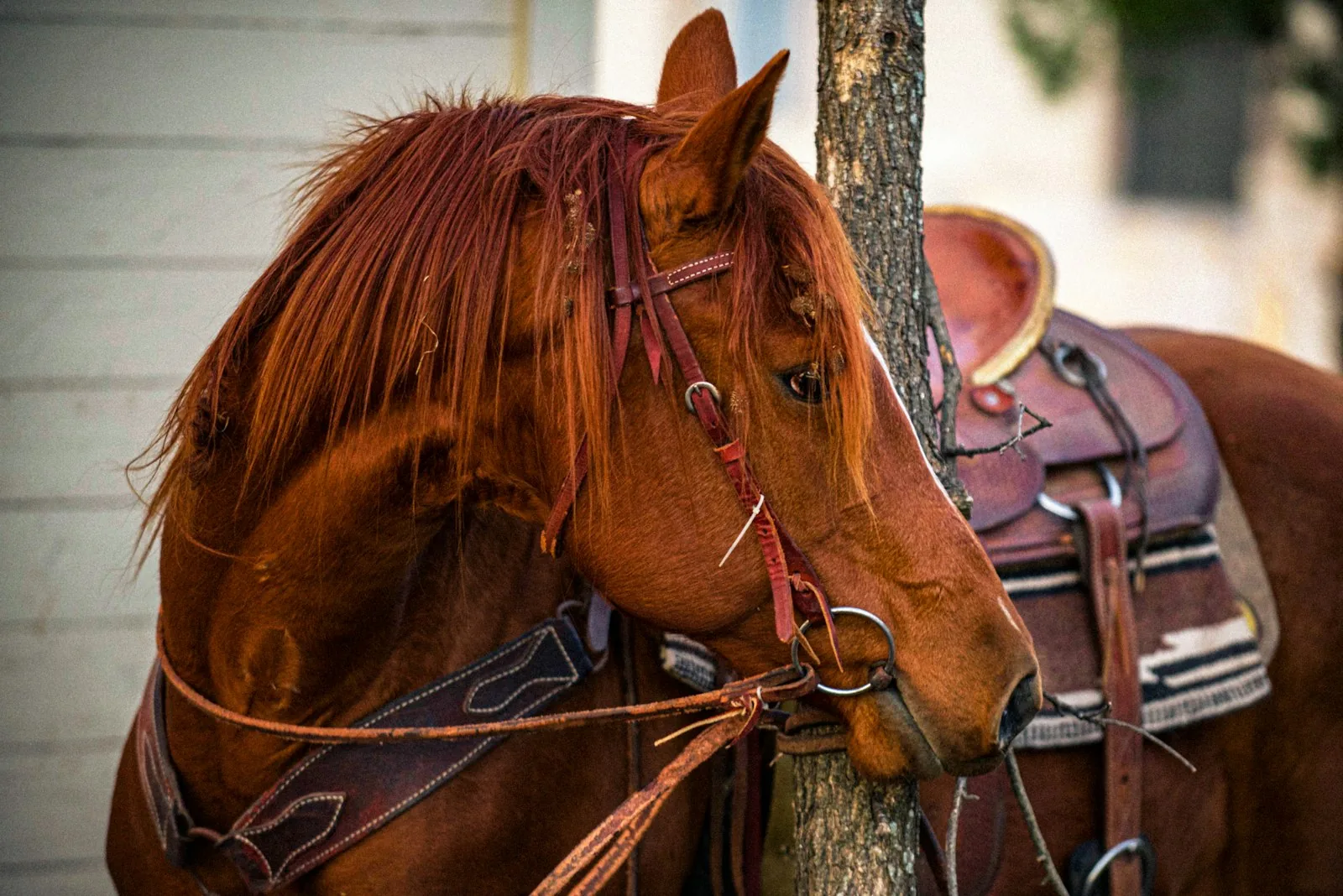
Your non-negotiables are a correctly fitted saddle and bridle, a headcollar and lead rope, a grooming kit and appropriate rugs. Get the saddle fitted by a qualified saddle fitter — a poor fit hurts the horse and unbalances you. Buy quality second-hand to save money.
Kitting out a first horse can feel overwhelming and expensive, but the genuine essentials are fewer than the tack-shop wall suggests. Focus your budget where it counts — a properly fitted saddle above all — and resist the urge to buy every gadget. Much good tack can be bought second-hand at a fraction of new prices, provided it's sound and fits.
The riding essentials
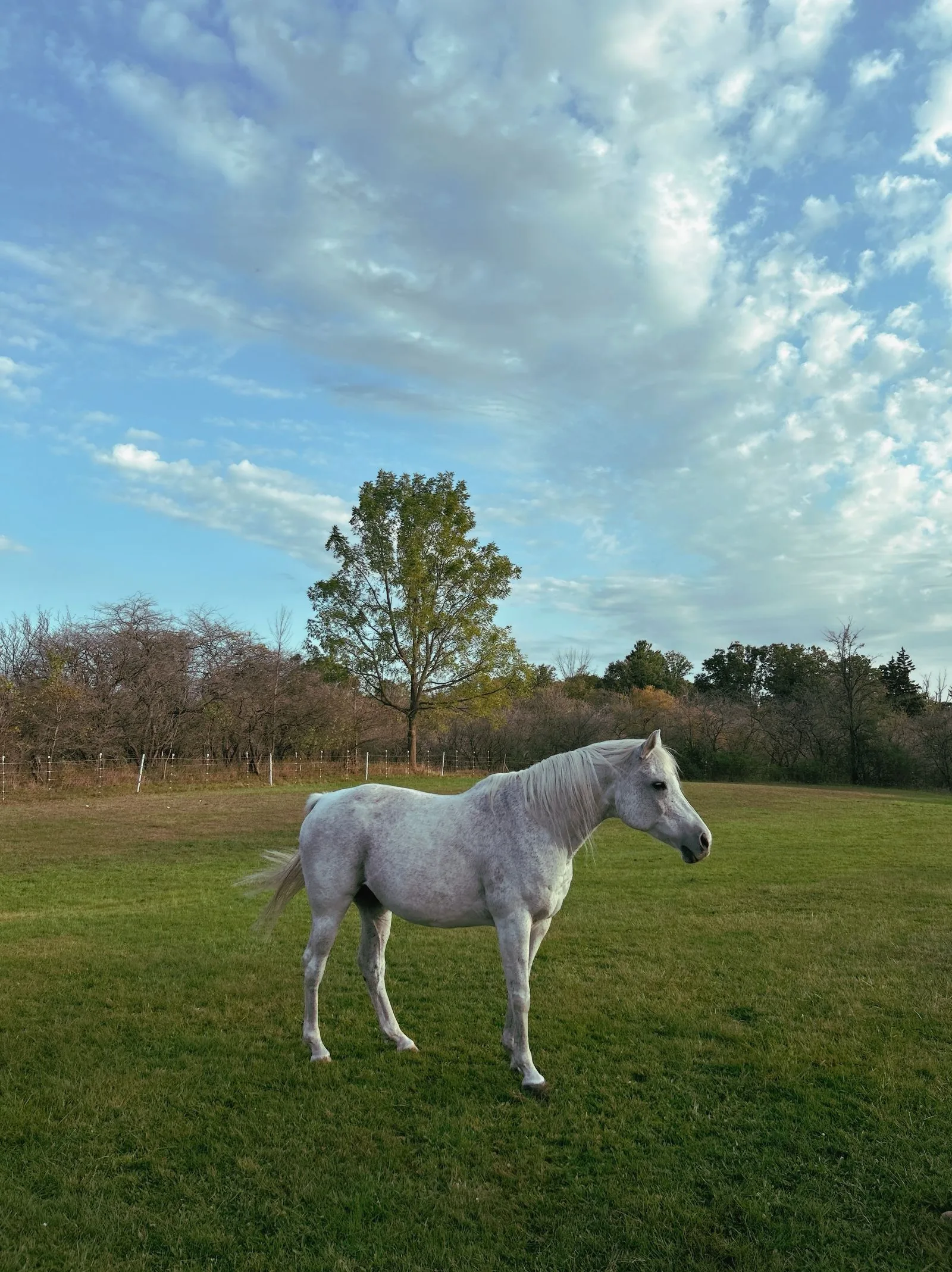
To ride, you need a saddle and a bridle with a suitable bit, plus a numnah or saddle pad and a girth. The saddle is the big one: an ill-fitting saddle causes pain, behavioural problems and long-term damage to the horse, and it throws your own position out. Always have it fitted and checked periodically by a qualified saddle fitter — this is not the place to economise.
- A well-fitted general-purpose saddle — the single most important — and expensive — purchase; get it professionally fitted.
- A bridle, bit and reins — suited to the horse and your riding; seek advice on the right bit.
- A headcollar and lead rope — for catching, leading and tying up — buy a couple.
- A numnah, girth and saddle pad — the everyday under-saddle basics, easily washed and replaced.
Yard and daily kit
Away from riding you'll need a grooming kit, rugs to suit your climate and your horse's clip, feed and water buckets, a haynet, and a basic first-aid kit for horse and human. Add mucking-out tools if you're on DIY livery. Build up gradually rather than in one costly splurge — you'll quickly learn what your particular horse and routine actually require.
How to prioritise your tack budget
Faced with a tack-shop wall of gear, spend where it counts and hold off on the rest. Your money should go, in order, on: a correctly fitted saddle (professionally fitted, no exceptions), a suitable bridle and bit, the everyday under-saddle basics, and the daily handling and yard kit. Almost everything on this list can be bought second-hand to save a great deal — a well-cared-for leather bridle or a set of rugs will serve you for years — with the crucial exception of the saddle, which must be fitted to your particular horse and checked as its shape changes. Build your kit up gradually rather than in one eye-watering splurge; you'll quickly learn what your horse and routine actually need. Here are the essentials, roughly in order of importance.
1. General-purpose saddle
What it is: The single most important — and expensive — piece of tack, spreading your weight comfortably. Best for: every first horse; a GP saddle suits flatwork, hacking and light jumping.
Key features: leather or synthetic, correct tree width, fitted to horse and rider by a pro.
Pros: a good fit keeps the horse sound and comfortable and balances the rider. Watch out for: must be professionally fitted and re-checked as the horse changes shape.
Typical price: £300–£1,500+ (quality second-hand from £250). Check the latest price on Amazon →
2. Bridle, bit and reins
What it is: The headgear and mouthpiece through which you communicate with the horse. Best for: every ridden horse; the bit should suit the horse and your level.
Key features: leather bridle in the right size, a mild snaffle bit, matching reins.
Pros: essential control and communication; leather lasts for years with care. Watch out for: the wrong bit can be harsh — take advice before buying anything strong.
Typical price: £40–£150 (bridle), £15–£45 (bit). Check the latest price on Amazon →
3. Numnah or saddle pad
What it is: The cushioning cloth that sits between saddle and back. Best for: everyday riding; buy a few so you always have a clean, dry one.
Key features: shaped or square, cotton or technical fabric, machine-washable.
Pros: protects the back, absorbs sweat and is cheap and easy to launder. Watch out for: not a fix for a badly fitting saddle — pad thickness can't correct fit.
Typical price: £15–£40. Check the latest price on Amazon →
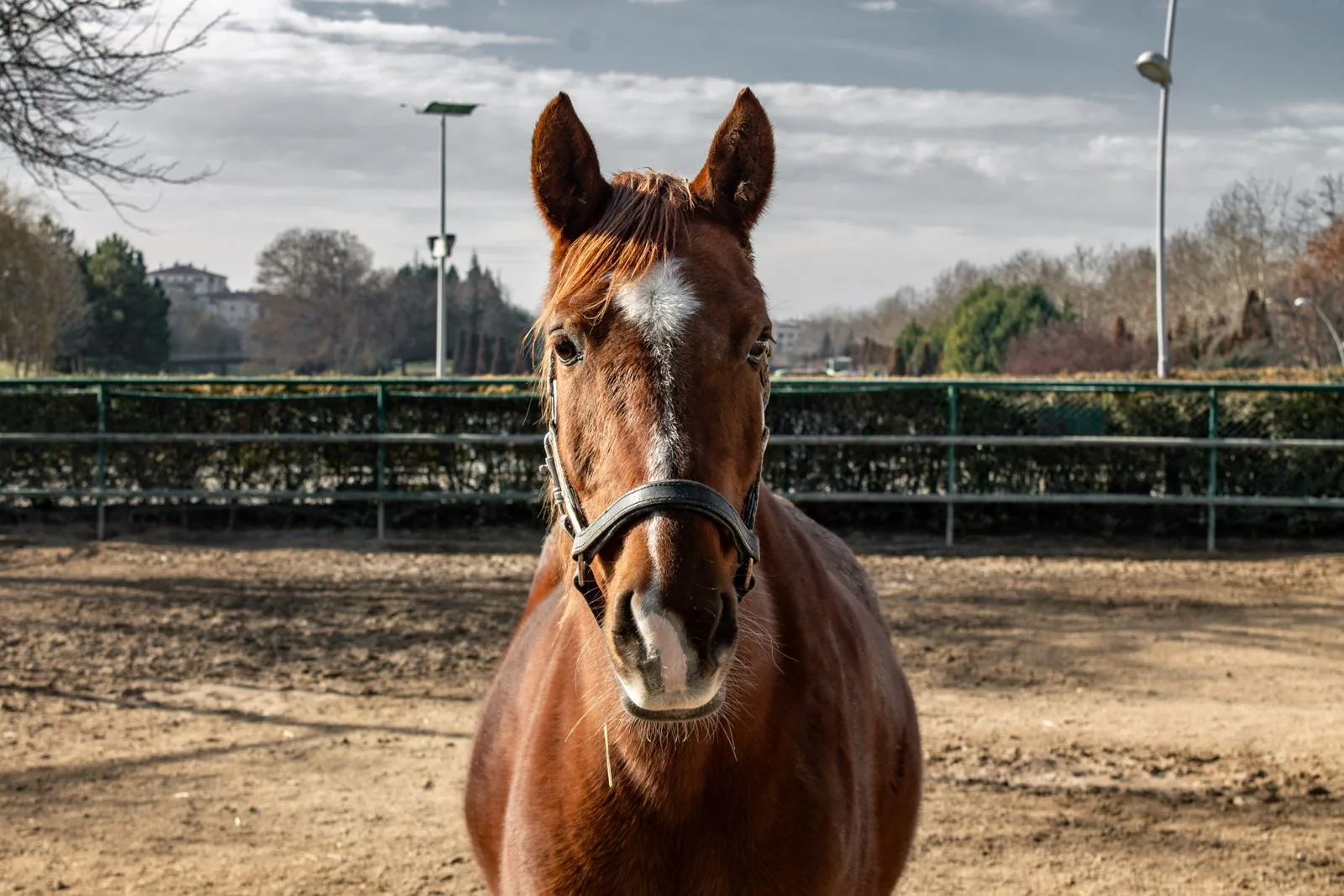
4. Girth
What it is: The strap that holds the saddle securely in place. Best for: every saddle; comfort here prevents rubs and girth-shy behaviour.
Key features: leather, synthetic or padded, anatomically shaped options available.
Pros: a comfortable, well-shaped girth keeps the horse happy to be tacked up. Watch out for: the wrong length or a hard edge can rub — check fit and condition.
Typical price: £20–£70. Check the latest price on Amazon →
5. Headcollar and lead rope
What it is: The everyday halter and rope for catching, leading and tying up. Best for: daily handling; buy a couple, as they break and get lost.
Key features: leather or webbing headcollar, matching lead rope, quick-release options.
Pros: cheap, essential and used every single day. Watch out for: leave a headcollar on in the field only if it's a safe break-away type.
Typical price: £10–£30. Check the latest price on Amazon →
6. Turnout rug
What it is: A waterproof, breathable rug for horses living out or turned out in bad weather. Best for: clipped, older, thin or fine-coated horses through a wet British winter.
Key features: waterproof outer, breathable membrane, fill weight to suit the temperature.
Pros: keeps a vulnerable horse warm and dry in the field. Watch out for: needs the right fill weight and checking daily for slips and rubs.
Typical price: £40–£120. Check the latest price on Amazon →
7. Stable rug
What it is: A non-waterproof rug for warmth in the stable overnight. Best for: clipped or older horses that need extra warmth when stabled.
Key features: quilted fabric, various fill weights, chest and cross-surcingle fastenings.
Pros: keeps a stabled horse cosy and can layer under a turnout in deep cold. Watch out for: not waterproof, so never for field use; easy to over-rug, so judge by feel.
Typical price: £35–£90. Check the latest price on Amazon →
8. Grooming kit
What it is: The boxed set of brushes and tools for daily coat and hoof care. Best for: every owner; grooming doubles as a daily health check.
Key features: hoof pick, curry comb, dandy and body brushes, mane comb, sponges, tote.
Pros: affordable, satisfying and essential for coat, skin and foot health. Watch out for: keep it clean and, ideally, one kit per horse to avoid spreading conditions.
Typical price: £15–£40. Check the latest price on Amazon →
9. Feed and water buckets
What it is: The everyday buckets for hard feed, water and soaking feeds. Best for: every horse, stabled or out; buy several in different colours.
Key features: tough rubber or plastic, various sizes, hook-over or free-standing.
Pros: cheap, hard-wearing and endlessly useful around the yard. Watch out for: cheap thin plastic cracks in frost, so choose sturdy rubber buckets.
Typical price: £5–£20 each. Check the latest price on Amazon →
10. First-aid kit (horse and human)
What it is: A basic kit for treating minor wounds and knocks until the vet arrives. Best for: every yard; small problems happen constantly and emergencies do occur.
Key features: wound wash, clean dressings, self-adhesive bandage, blunt scissors, thermometer.
Pros: lets you deal with minor injuries and stabilise until professional help. Watch out for: know how to use it, and never substitute it for a vet in a real emergency.
Typical price: £20–£50. Check the latest price on Amazon →
Building your tack collection sensibly
Don't feel you must own all of this from day one. The genuine essentials to start riding and caring for your horse are the saddle, bridle, numnah, girth, headcollar, grooming kit and a turnout rug — the rest you can add as you go. Buy the saddle new or from a saddle fitter and have it fitted; buy almost everything else second-hand where it's sound, checking leather for cracks and stitching for wear. Store tack somewhere dry, clean it regularly (supple leather is safe leather), and keep rugs mended and washed. A modest, well-chosen and well-maintained kit will serve you far better than a stableful of gadgets you never use — and it leaves more of your budget for the thing that really matters, the ongoing care of the horse itself.
The grooming side gets its own guide — see the best grooming kit — and rugs feature in winter care. Buying the horse itself? Read buying your first horse and the true cost of ownership.