Horse Riding for Kids: A Parent's Guide
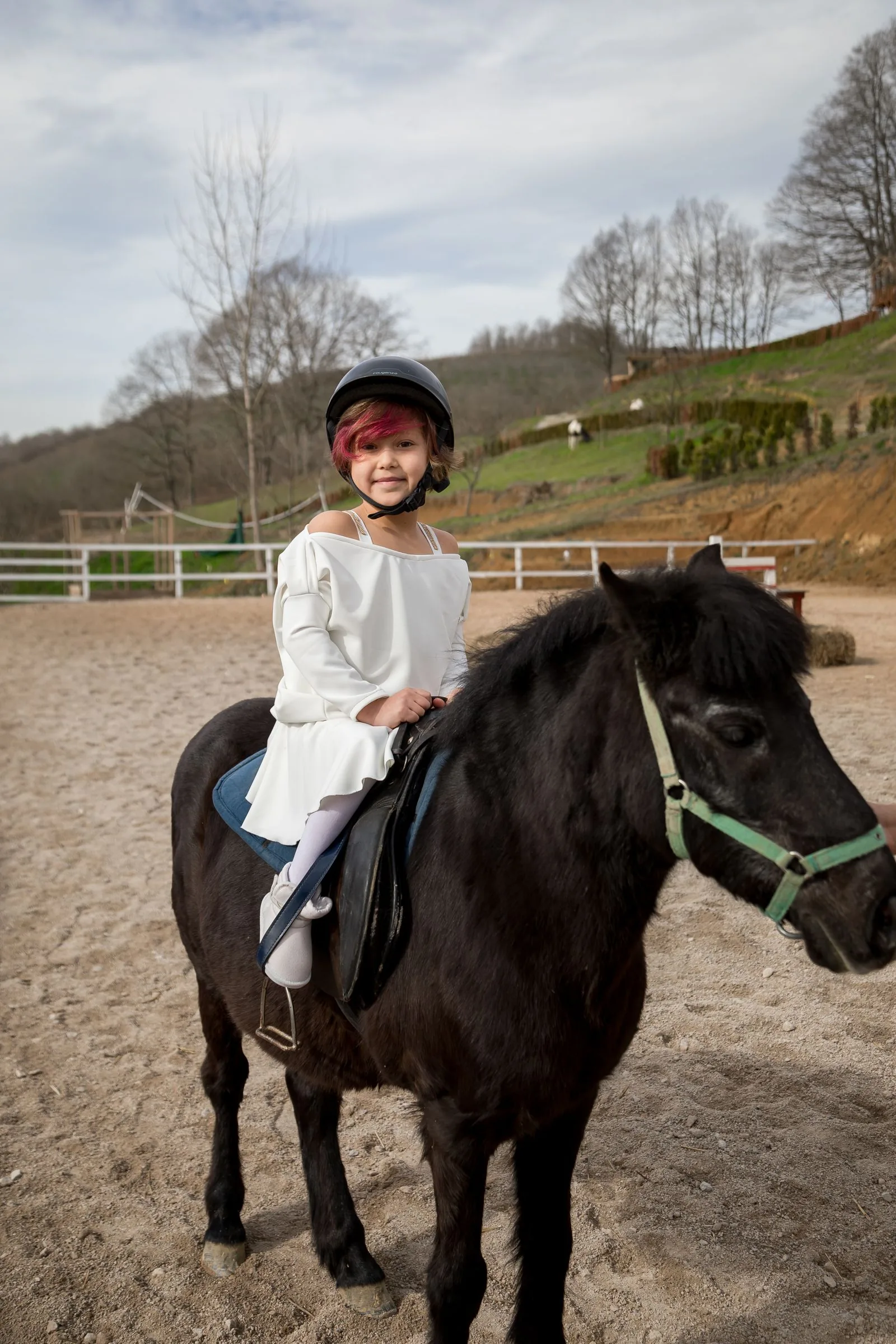
Most children can start proper lessons from around age 5–7 on a lead-rein or small pony. Choose a BHS-approved school, insist on a well-fitted hat, and start with short group lessons (about £25–£40). Don't buy a pony — lease or share instead.
Riding is a wonderful thing for a child: it builds balance, responsibility, patience and confidence, and gets them off screens and into the fresh air. If your child is pony-mad, a few lessons will quickly tell you whether it's a passing phase or a lifelong love. Here's how to get them started safely and sensibly.
The right age and format
Most riding schools take children from around five to seven, sometimes earlier for lead-rein sessions where an instructor walks alongside. Younger children ride ponies sized to them and start with short lessons — attention spans are short and small legs tire quickly. Look for a BHS-approved yard with calm, well-schooled ponies and instructors used to teaching children.
- A BHS-approved school with a good pony string — approval plus child-experienced instructors is the combination to look for.
- A pony day or holiday club — a brilliant, low-commitment way to test enthusiasm over the school holidays.
- A share or loan pony (later) — far cheaper and less binding than buying, once they're truly committed.
Safety and kit
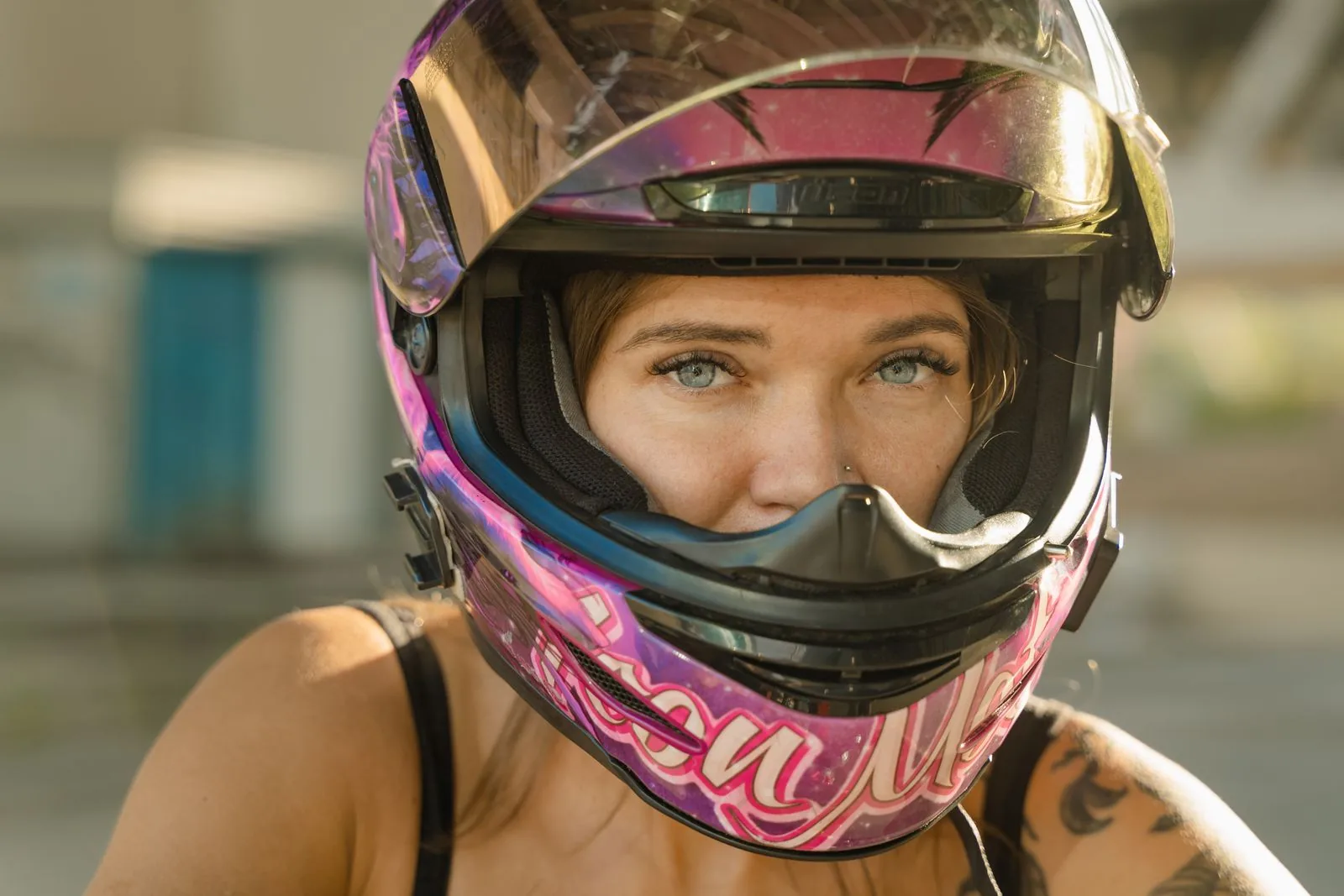
The one thing you must get right is the hard hat — correctly fitted to current safety standards. The school will provide one initially, but a child's own hat should be professionally fitted at a tack shop. Beyond that, jodhpurs and jodhpur boots with a small heel are all they need at first. Resist the urge to buy a pony early; leasing or sharing gives the experience without the enormous cost and commitment covered in our cost guide.
What your child actually needs to wear
You don't need to spend a fortune to get a child started, and you certainly shouldn't buy the smart show kit yet. The essentials are simple: long, close-fitting leggings or jodhpurs (never jeans, which rub), boots with a small heel so the foot can't slide through the stirrup, and a correctly fitted hard hat, which the school will lend at first. Add gloves to save small hands from cold reins, and dress them in warm layers because children get chilled quickly standing around the yard. Leave a little growing room in boots — but not so much the foot slides around — and buy second-hand where you can, as children outgrow riding kit remarkably fast.
What a first lesson looks like for a child
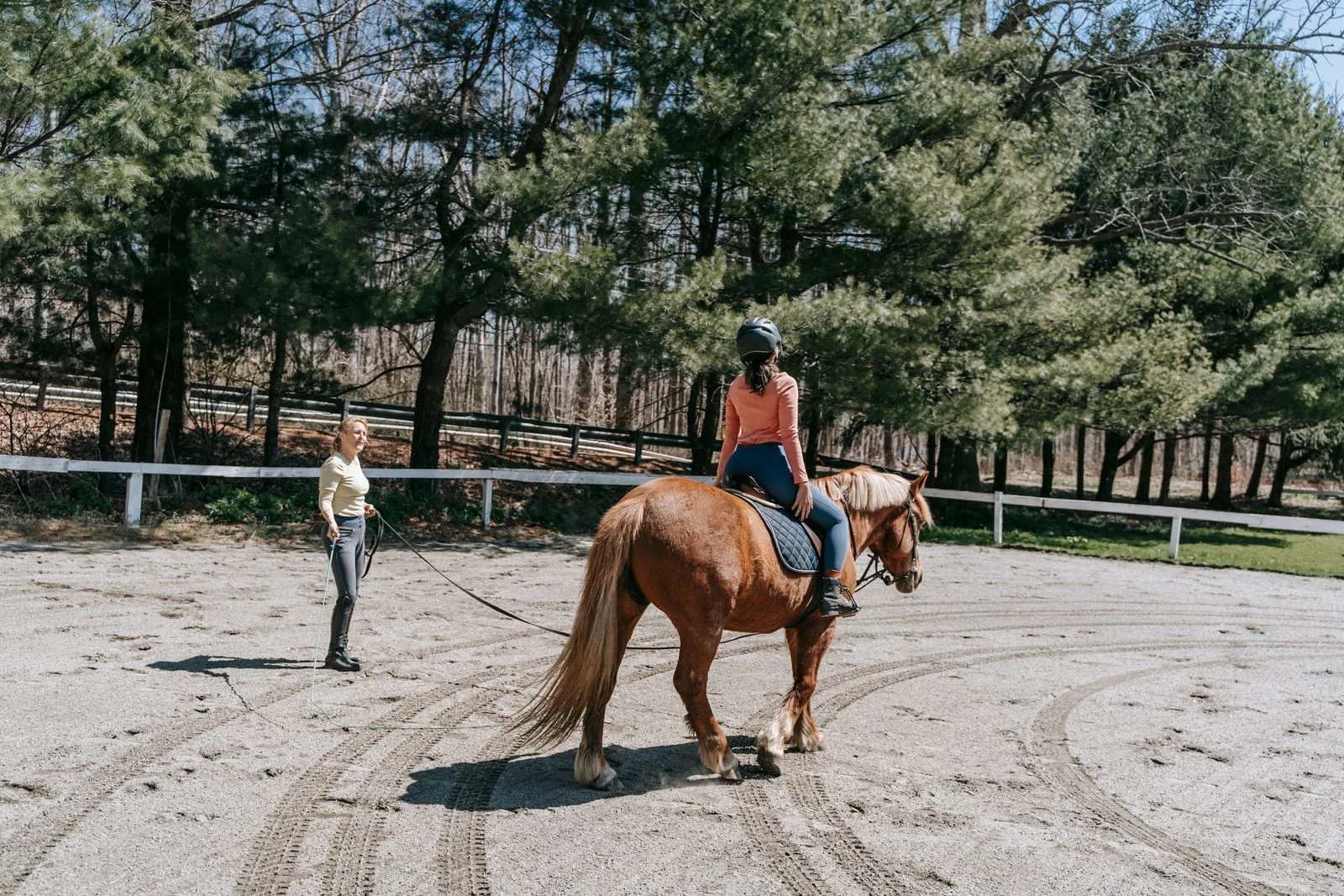
Knowing the routine helps you reassure a nervous child (and yourself). A typical beginner session for a young rider is short — often 30 minutes — and closely supervised. Your child will meet their pony, be helped to put on a fitted hat and be led to the mounting block. Early lessons are usually on the lead rein, with a helper walking alongside holding the pony, or on the lunge, so there's no chance of the pony wandering off. They'll learn to sit up, hold the reins gently, and steer and stop at walk, with the first bouncy steps of trot coming once they're settled. Lots of praise, a few simple games like 'round the world' or reaching for the pony's ears, and a pat and a treat at the end keep it fun rather than frightening.
How to choose the right school for your child
The yard you pick matters more than almost anything else, so visit before you book. Look for BHS or ABRS approval, which guarantees qualified instructors, insured lessons and proper pony welfare. Watch a children's lesson if you can: are the ponies calm and well cared for, are the instructors patient and encouraging rather than shouty, and are the children clearly having fun? Check the ponies look content and well-fed, the tack is in good repair, and hats are fitted properly. A friendly, tidy yard where staff are happy to answer your questions is exactly what you want; a chaotic one with tired, grumpy ponies is not, however cheap.
The benefits for children
Beyond the obvious fun, riding gives children a remarkable amount. Physically it builds balance, coordination and core strength in a way few other activities do. Just as valuable are the life lessons: caring for a pony teaches responsibility, empathy and patience, and learning to stay calm around a large animal builds real confidence and resilience. It's sociable, gets children outdoors and away from screens, and rewards effort over natural talent. Many parents notice their child becomes more focused and self-assured within a few months — the pony doesn't care about school grades or popularity, only that it's handled kindly and clearly.
The cost, and how to keep it sensible
Children's group lessons typically run £25–£40 each, a little less than adult lessons because they're often shorter. A weekly lesson therefore costs roughly £100–£160 a month. To keep spending in check, start with a holiday pony day or a block of taster lessons before committing, borrow the school's hat and kit at first, and buy jodhpurs and boots second-hand from local horsey Facebook groups — children grow out of them alarmingly fast. Above all, resist the pleading for a pony of their own in the early days. A share or loan pony once they're genuinely committed gives most of the joy for a fraction of the cost and commitment, as our cost of ownership guide makes plain.
Handling a nervous or over-keen child
Children arrive at their first lesson in one of two states: terrified or fearless, and both need gentle managing. For the nervous child, keep it low-key, never force the pace, and let them build up at their own speed — even just grooming and leading a pony can be a lovely first step. For the fearless child who wants to gallop off on day one, a good instructor channels that enthusiasm into learning proper control, because respect for the pony and steady technique keep them safe. Whatever their temperament, let the instructor lead and try not to shout instructions or worries from the side of the arena — your calm confidence is contagious, and so is your anxiety.
For gear, our riding helmets guide and beginner boots apply to children too. If you fancy joining in, read learning to ride as an adult.