How Much Do Horse Riding Lessons Cost in the UK?
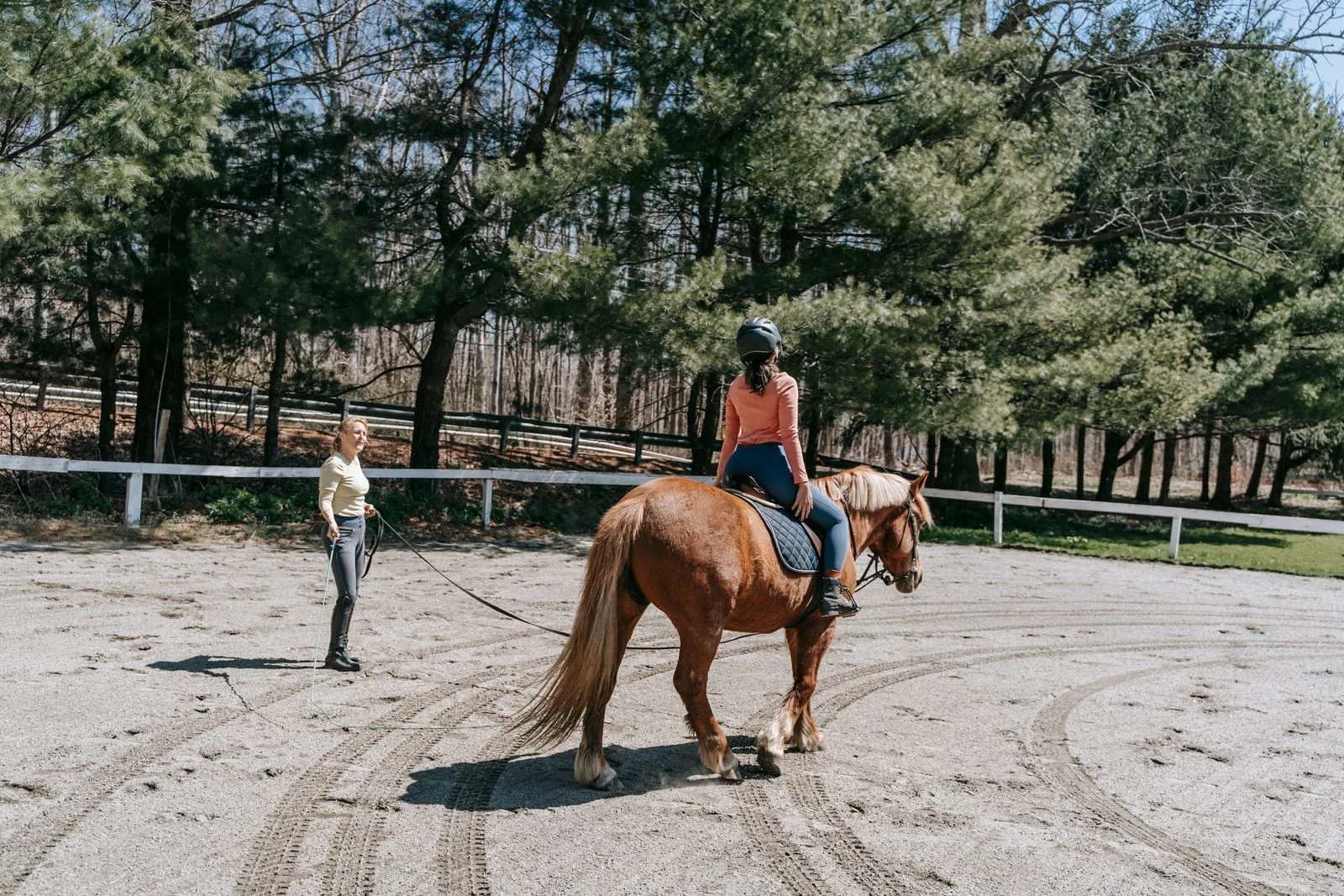
Expect £30–£45 for a group lesson and £45–£70 for a private lesson (30–60 minutes), with city and specialist yards charging more. Block-booking a term usually saves 10–15%. Budget for a hat, gloves and boots once you commit.
Riding is not the cheapest hobby, but lessons themselves are more affordable than most people expect — and far cheaper than owning a horse. What you pay depends on where you are, whether you ride in a group or one-to-one, and how much you book at once. Here's what's normal across Britain in 2026.
Group versus private lessons
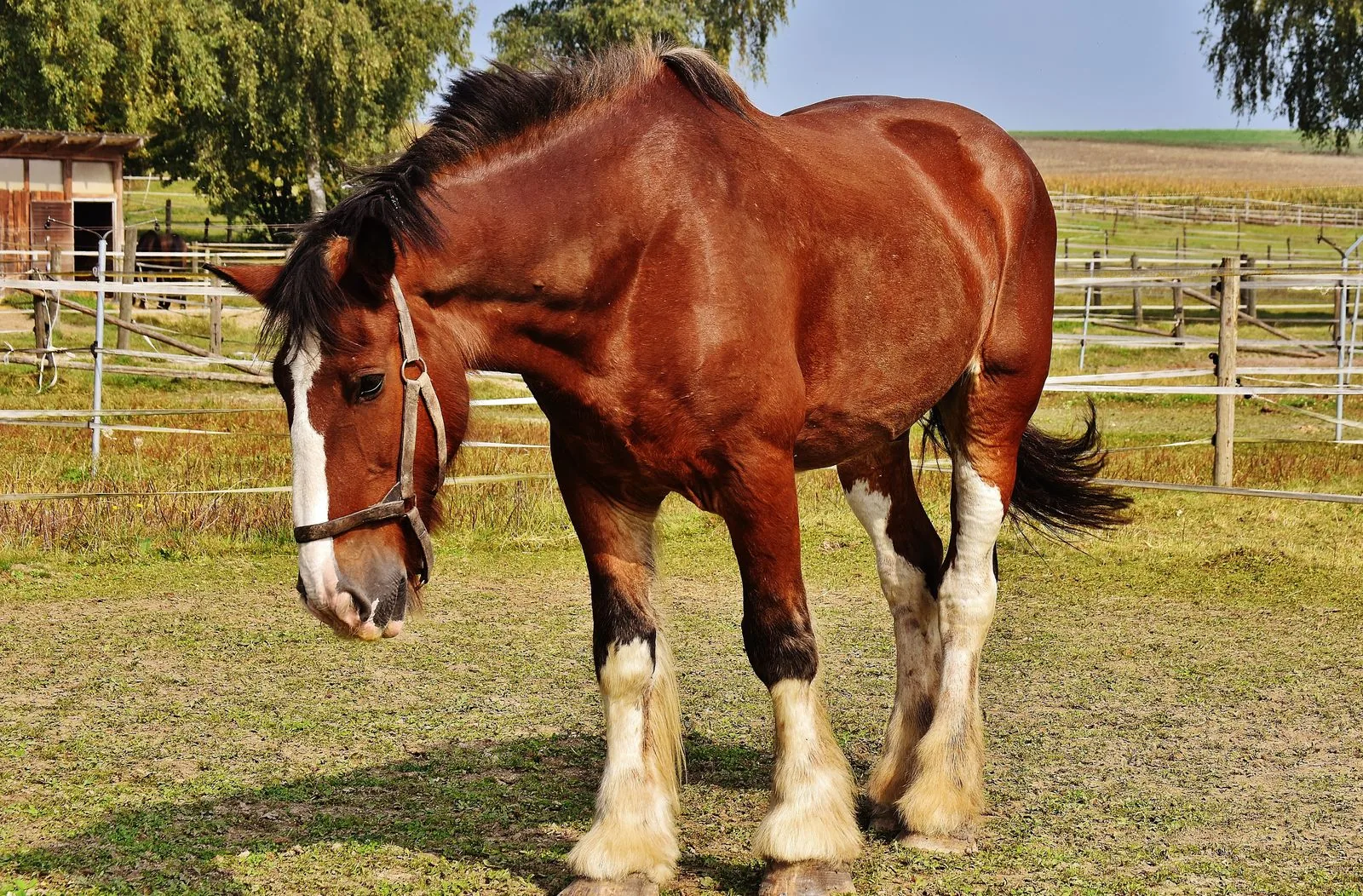
A group lesson (typically four to six riders of a similar level) costs around £30–£45 for 45–60 minutes and is sociable, good value and perfectly sufficient for most learners. A private lesson costs £45–£70 and buys you the instructor's full attention — worth it early on, or when you're working on something specific. Expect to pay a premium in London and the Home Counties, and at specialist dressage or jumping yards.
- A local BHS-approved school — the best value for reliable, insured, well-taught lessons.
- A block or term booking — commit to a run of lessons for a 10–15% discount and a guaranteed slot.
- A shared semi-private lesson — split a private lesson with a friend of similar ability for a middle-ground price.
The extras to budget for
Once you're committed, factor in your own kit — a hat, gloves, jodhpurs and boots — spread over a few months rather than all at once. Later costs might include hacking (riding out on trails), clinics with visiting instructors, and eventually your BHS stages if you want to qualify. None of this is compulsory to enjoy riding.
What you're actually paying for
It's easy to look at £40 for an hour and blanch, but a riding lesson carries costs most hobbies don't. You are hiring a large, expensively kept animal that eats, needs shoeing every six weeks, and requires veterinary care, insurance and a warm stable — a single school horse can cost £3,000–£5,000 a year to keep before anyone climbs aboard. On top of that you're paying a qualified instructor, insurance cover for you as a rider, and the upkeep of an arena, tack and safety equipment. Seen that way, a good lesson is remarkably well priced. Cheapness for its own sake usually means a corner has been cut somewhere, and in riding the corners that get cut tend to be welfare, teaching quality or safety.
Do you tip a riding instructor?
Tipping isn't expected or customary at British riding schools in the way it might be for some services, so don't feel awkward if you don't. That said, a small end-of-term thank-you — a card, a box of chocolates for the yard, or a tip if someone has gone well beyond the call — is always warmly received, especially for the unsung helpers who tack up and lead. The best thanks, though, is simply turning up regularly, being polite and pitching in around the yard when invited.
What drives the price up or down
Two schools ten miles apart can charge quite different rates, and it usually comes down to a handful of factors. Location is the biggest: expect to pay £50–£70 for a group lesson in and around London and the South East, while a rural yard in Cumbria, Yorkshire or mid-Wales might charge £28–£38 for the same thing. Facilities matter too — a yard with a floodlit indoor school, high-quality horses and BHS-qualified instructors costs more to run and charges accordingly. Lesson length and rider level also feed in, as advanced jumping or dressage tuition on a schoolmaster commands a premium over a beginner group walk-and-trot.
A typical monthly and yearly budget
It helps to think in terms of a rhythm rather than a single lesson. Here's what a committed beginner might realistically spend:
- One group lesson a week: roughly £140–£190 a month, or £1,700–£2,300 a year.
- One private lesson a week: roughly £200–£300 a month.
- Fortnightly lessons: around £70–£95 a month — a sensible budget option.
- Your own kit (one-off, spread out): £120–£220 for a hat, jodhpurs, boots and gloves.
Set against the cost of owning a horse — comfortably £3,000–£6,000 a year before you buy the animal — lessons are extraordinarily good value, and they come with no mucking out on a wet January morning.
How to keep the cost down
There are plenty of legitimate ways to ride for less without cutting corners on safety:
- Block-book a term for a 10–15% discount and a guaranteed weekly slot.
- Ride off-peak — many yards discount weekday daytime lessons.
- Share a semi-private lesson with a friend of similar ability.
- Borrow kit from the school until you're sure you'll continue.
- Look for working-livery or helper schemes, where mucking out and yard duties earn you reduced-rate rides.
Are cheaper lessons a false economy?
Not always — but be wary of a yard that is markedly cheaper than everyone else. Rock-bottom prices sometimes mean tired, over-worked ponies, unqualified instructors, or an insurance gap that could leave you exposed if something goes wrong. A BHS or ABRS approval badge tells you the welfare, teaching standards and insurance are all in order, which is worth a few pounds more a lesson. The best value isn't the lowest headline price; it's good, safe teaching that gets you riding well without wasting terms on bad habits you later have to unlearn.
Keep initial spending down with our guide to what to wear, and if lessons lead to bigger dreams, read the honest numbers in the real cost of owning a horse. New to it all? Start with how to start riding.