
The Best Horse Riding Gloves
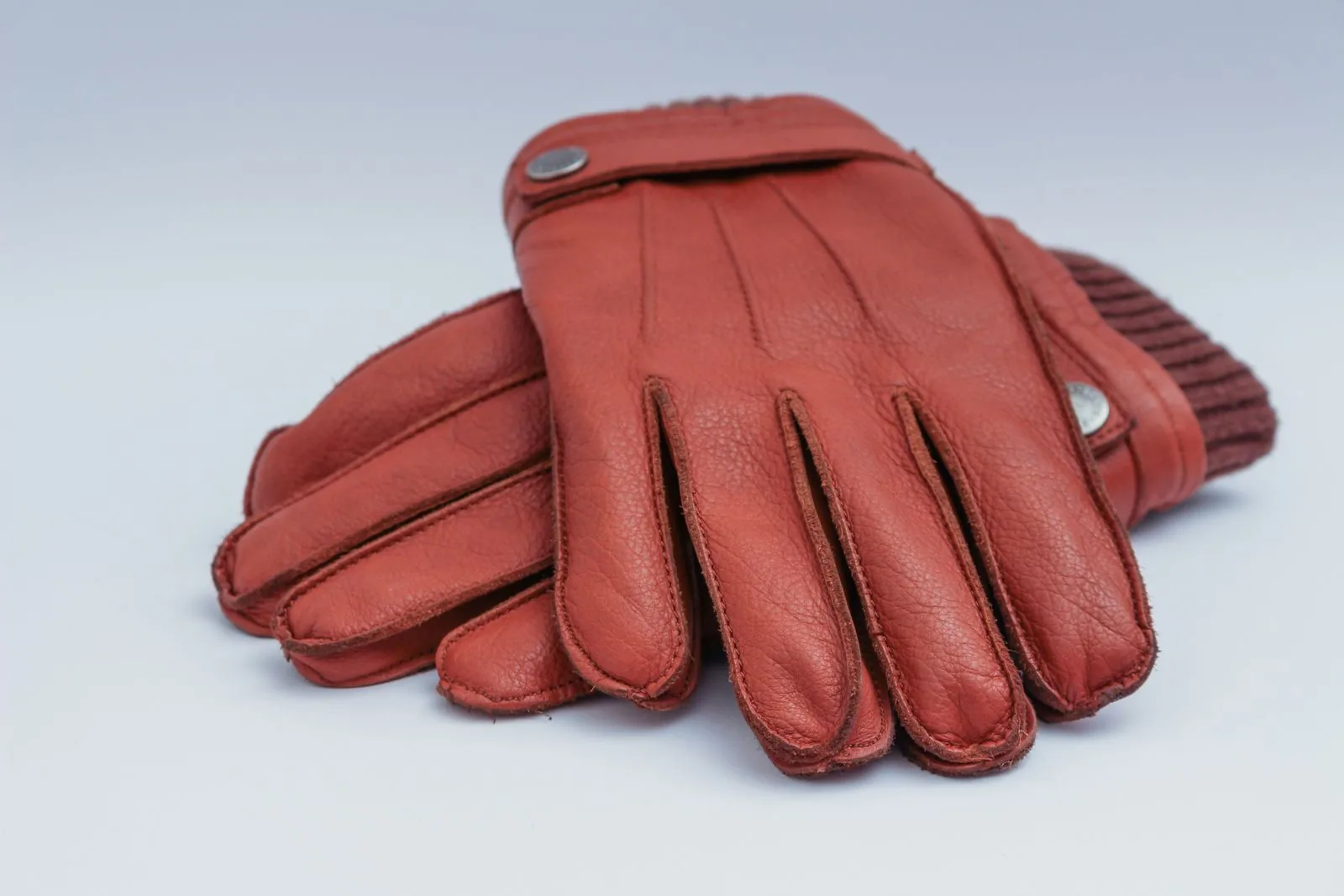
Riding gloves protect your hands from rein-rub and blisters and improve grip, especially with a sweaty or excited horse. Choose thin, grippy gloves for summer feel and insulated waterproof pairs for winter. Look for reinforced fingers and a snug, dexterous fit.
Gloves are one of those items beginners skip and then quickly wish they hadn't. Reins slipping through bare, sweaty hands cause painful blisters and, worse, a loss of control at exactly the wrong moment. A good pair protects your skin, improves your grip and keeps your hands warm enough to actually feel the reins on a frozen morning.
Why gloves matter
The reins are your line of communication with the horse, and that line runs through your hands. Gloves stop the leather or webbing burning and blistering your palms, give you reliable grip when reins are wet or a horse is pulling, and — in a British winter — stop your fingers going too numb to ride safely. They're cheap insurance for a very hard-working part of your body.
- Everyday grippy riding gloves — thin, breathable and tacky-palmed for feel and control in warmer weather.
- Insulated waterproof winter gloves — keep hands warm and dry without turning your fingers into sausages.
- Cotton or pimple-grip schooling gloves — inexpensive, washable everyday pairs — buy a couple.
- Leather show gloves — a smarter pair kept for lessons and the ring.
What to look for
Fit is everything: too loose and you lose feel and get rubs, too tight and your hands tire. Look for a grippy palm (silicone or textured), reinforced fingers where reins wear through, and enough dexterity to do up a buckle. For winter, prioritise genuine waterproofing and insulation without bulk. Machine-washable pairs are a blessing given how quickly yard gloves get filthy.
How to choose riding gloves
Gloves are cheap, so most riders end up with two or three pairs for different jobs, but a few things guide a good buy. Fit matters most — too loose and you lose rein feel and get rubs, too tight and your hands tire, so aim for a close fit that still lets you fasten a buckle. Consider the season: thin, breathable, grippy gloves for summer feel; insulated, waterproof pairs for a freezing winter morning. Look at the palm — silicone or textured grip gives control when reins are wet — and reinforced fingers, which is exactly where reins wear gloves through. Finally, favour machine-washable pairs, because yard gloves get filthy fast. Below are the main types worth owning.
1. Everyday grippy riding gloves
What it is: Thin, breathable all-rounders with a tacky palm for feel and control. Best for: warm-weather riding and general schooling — the default first pair.
Key features: lightweight stretch fabric, silicone-print palm, close dexterous fit.
Pros: great rein feel, breathable, cheap and easy to replace. Watch out for: little warmth, so you'll want a winter pair as well.
Typical price: £8–£20. Check the latest price on Amazon →
2. Insulated waterproof winter gloves
What it is: Warm, water-resistant gloves for cold, wet British riding. Best for: anyone riding through winter with numb, aching fingers.
Key features: thermal lining, water-resistant shell, grip palm, snug cuff.
Pros: keep hands warm and dry without turning fingers into sausages. Watch out for: extra bulk slightly reduces feel compared with thin summer gloves.
Typical price: £15–£35. Check the latest price on Amazon →
3. Cotton pimple-grip gloves
What it is: Inexpensive knitted gloves with rubber pimples across the palm. Best for: beginners and yard work; buy several as they're so cheap.
Key features: cotton knit, rubber pimple grip, one-size or basic sizing, washable.
Pros: brilliant value, grippy and endlessly washable for everyday use. Watch out for: less durable and shapeless compared with fitted riding gloves.
Typical price: £4–£10. Check the latest price on Amazon →
4. Leather show gloves
What it is: Smart, close-fitting leather gloves kept for lessons and the ring. Best for: riders wanting a tidy, traditional look for competition and shows.
Key features: soft leather, snug tailored fit, minimal seams, subtle grip.
Pros: elegant, hard-wearing and give excellent direct rein feel. Watch out for: pricier and need keeping clean and dry — not for muddy yard work.
Typical price: £20–£45. Check the latest price on Amazon →
5. Fleece-lined thermal gloves
What it is: Cosy fleece-lined gloves for the coldest, driest days. Best for: riders who feel the cold badly but don't need full waterproofing.
Key features: fleece lining, wind-resistant back, grip palm, elasticated wrist.
Pros: very warm and comfortable for winter schooling and hacking. Watch out for: not fully waterproof, so less suited to heavy rain.
Typical price: £12–£28. Check the latest price on Amazon →
6. Children's riding gloves
What it is: Small, grippy gloves sized for young riders' hands. Best for: children in lessons who need warmth and rein grip.
Key features: small sizes, pimple or silicone grip, washable, bright colours.
Pros: help little hands grip cold reins and stay warm and blister-free. Watch out for: outgrown and lost easily, so buy cheap and in pairs.
Typical price: £5–£12. Check the latest price on Amazon →
7. High-grip gel or silicone palm gloves
What it is: Gloves with a heavier gel or silicone palm for maximum hold. Best for: riders with a strong or sharp horse, or sweaty hands that lose grip.
Key features: reinforced gel/silicone palm, breathable back, secure wrist.
Pros: outstanding grip when reins are wet or the horse pulls. Watch out for: the heavy palm slightly dulls the fine feel of a thin glove.
Typical price: £12–£30. Check the latest price on Amazon →
8. Waterproof over-mittens / bar mitts
What it is: Extra wet-weather protection, from waterproof mitts to reins-mounted covers. Best for: endurance riders and hackers out for hours in driving rain.
Key features: fully waterproof outer, roomy fit over gloves, or attach to the reins.
Pros: keep hands genuinely dry on long, wet rides where gloves alone fail. Watch out for: bulky and niche — overkill for a quick school in the arena.
Typical price: £15–£40. Check the latest price on Amazon →
Caring for your gloves so they last
Riding gloves live a hard life, but a little care doubles their lifespan. Fabric and synthetic gloves are usually machine-washable on a cool cycle — turn them inside out, use a mesh bag, and always air-dry rather than tumble, as heat perishes the grip and elastic. Leather gloves need gentler treatment: wipe off mud, let them dry naturally away from radiators, and treat them occasionally with a leather conditioner to stop them cracking. Whatever the material, never dry gloves on a hot radiator or in the airing cupboard, tempting as it is on a cold day. Keep a spare pair in your grooming box or car so a soaked pair never leaves you riding bare-handed, and retire any glove once the palm grip has worn smooth or the fingertips have gone through — a slippery, holey glove does the opposite of its job.
Our verdict
Most riders are best served by owning two pairs: a thin, grippy everyday pair for spring through autumn, and an insulated waterproof pair for winter. Add a cheap bundle of pimple-grip cotton gloves for filthy yard jobs and you're covered for almost anything. Don't overspend — gloves are consumable kit that wear through at the fingers and get lost with alarming regularity, so buy sensible, washable pairs and replace them without a second thought. The one rule worth remembering is fit: a glove that fits well disappears on your hand and lets you feel the reins clearly, which is the whole point. Skip gloves entirely and you'll learn the hard way, with blistered palms, why experienced riders never do.
Gloves round out your rider kit alongside boots, a helmet and jodhpurs. In the cold, they're part of wider winter care. New to it all? See what to wear for your first lesson.